

Is your gas grill acting up? Discover the 12 key signs that your propane regulator might be the culprit. Learn troubleshooting tips and when it’s time for a replacement. Get your grill working perfectly in time for the next BBQ!
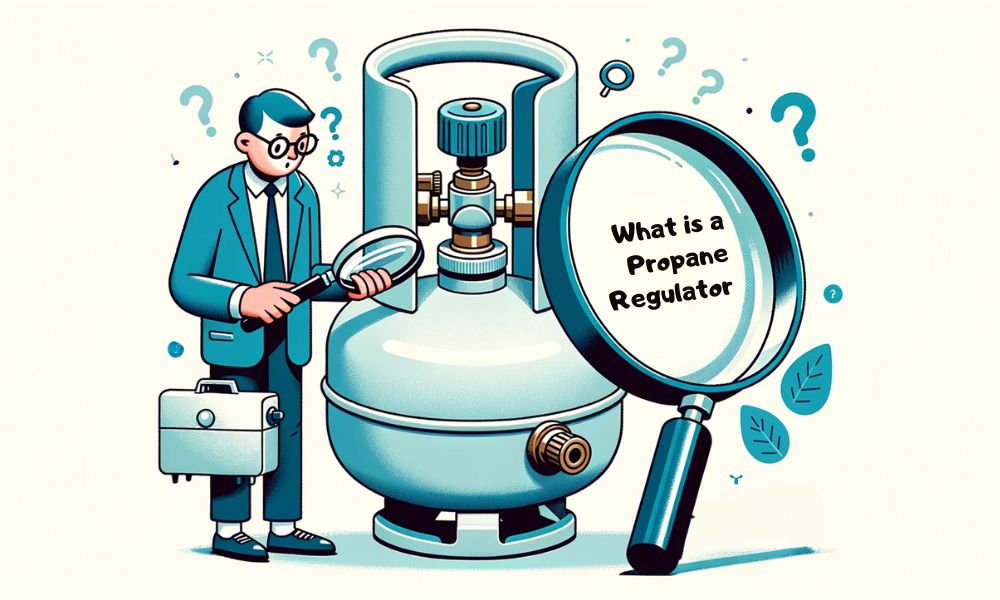
What is a Propane Regulator?🤔
Why Do You Need One?
Inconsistent Heat: Without a proper regulator, grilling can give you inconsistent heat. 😩
Food Quality: This heat can make your food less than perfect. 🍔
Stable Gas Flow: Perfect grilling relies on a stable gas flow, and only a well-functioning regulator can provide that. 🌡️
Signs You May Need a Replacement
- Visual Inspection: If you’re not sure if you need a new regulator, a visual inspection is a good idea. 🔍
- Wear and Tear: If you see signs of wear on the regulator hose or gas hose, think about a gas grill regulator replacement. 🛠️
- Soot Deposits: Also, be aware of any soot deposits around the burners, as this could point to an issue. ⚫
- Sounds and Flames: If you hear a popping sound or see lazy flames, remember that the regulator might be the issue. 🔥
- Testing and Resetting: Learning how to test and how to reset the regulator is crucial. 🧪
- Additional Parts: You might also need to adjust or replace the regulator coupling nut or shutoff valve. 🎛️
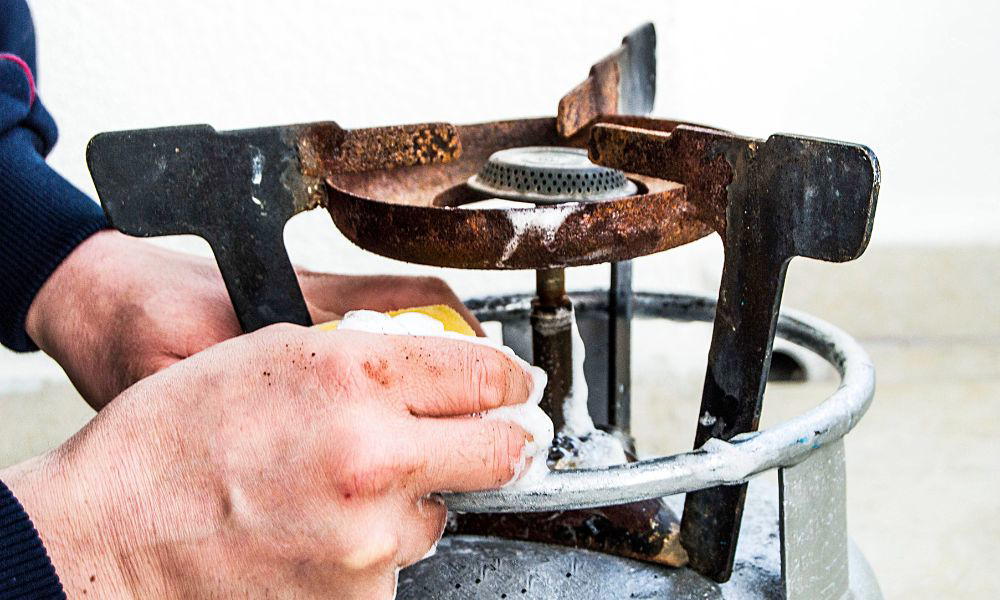
Noticing soot deposits around your burners? Learn How to Clean a Gas Grill.
The Bypass Valve and Troubleshooting
Safety Feature: Some regulators include a bypass valve for added safety. 🛡️
Irregular Flow: This valve shuts off the gas if it detects an irregular flow. 🚫
Hissing and Uneven Lighting: If you hear hissing or notice that the burners light up unevenly, remember to check the bypass valve during your troubleshooting steps. 🐍
Key Component: A propane regulator is often not noticed but is a key part of any natural gas grill setup. 🗝️
12 Signs That Your Propane Regulator Needs Replacing
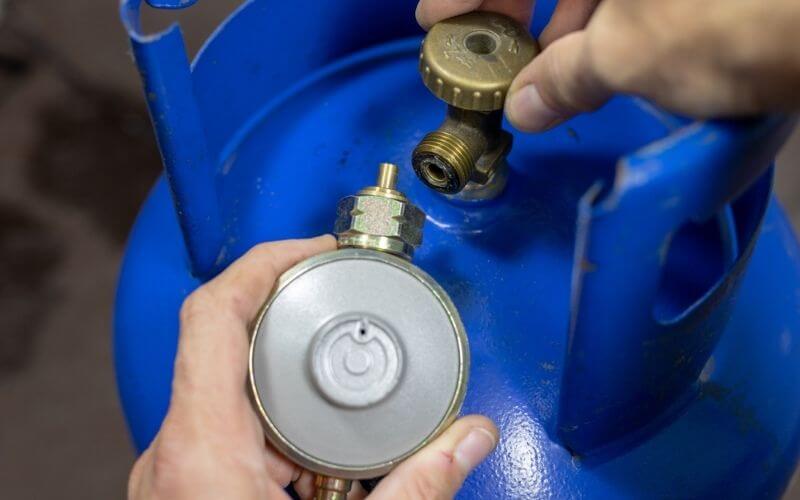
If you think your propane regulator is acting up, check your system for the following signs. These faulty gas regulator symptoms will let you know that it’s time to get a new one.
01. Yellow Flames:🔥

Any kind of appliance that is fueled by propane should have strong blue flames. If you light your stove or turn on your grill and see lazy yellow flames instead of blue, it is a sign that your regulator needs replacing.
- Key Symptom: Lazy yellow flames instead of strong blue flames.
- Action: Consider replacing your regulator.
02. Sooty Residue:🌑
Deposits of soot on your burner are another common symptom that your propane gas regulator needs fixing or changing.
- Key Symptom: Deposits of soot on your burner.
- Action: Fix or replace your propane gas regulator.
03. Popping Sounds:🔊
Do you hear popping noises when you turn off your burners? If yes, it is a sign that you need to change either the burners or the gas valve regulator.
- Key Symptom: Popping noises when burners are turned off.
- Action: Replace either the burners or the gas valve regulator.
04. No Propane Flow:🚫
Of course, if there is no propane flowing through the system, your burners will not light up.
- Key Symptom: Burners do not light up.
- Action: Check the safety feature in the regulator.
05. Faulty Vents and Leaking:💧
If you can smell propane when using your appliances, it is a clear sign that the regulator is leaking.
- Key Symptom: Smell of propane.
- Action: Replace the leaking regulator.
06. Automatic Changeover Malfunctioning:⚙️
The tank level indicator might start showing red and won’t reset.
- Key Symptom: Tank level indicator showing red and won’t reset.
- Action: Consider replacing your regulator.
07. It’s Been Frozen:❄️
This can happen in very cold climates, and if you haven’t been maintaining your appliances over the winter.
- Key Symptom: Buildup of frost around the regulator.
- Action: Replace the regulator.
08. It’s Been Dunked in Water:💦
If your propane tank regulator has been submerged in water, it will have to be replaced as soon as possible.
- Key Symptom: Regulator submerged in water.
- Action: Replace the regulator immediately.
09. It Smells of Propane:👃
If you can smell the natural gas when using your grill or stove, the safety system in your regulator may be busted.
- Key Symptom: Smell of natural gas.
- Action: Replace the broken diaphragm or the entire regulator.
10. Your Regulator is over a Decade Old:📅
Propane regulators aren’t designed to work forever without hiccups. They have a shelf life of around 10 years.
- Key Symptom: Regulator more than 10 years old.
- Action: Replace the regulator as a priority.
11. Inconsistent Gas Flow:🌬️
If you notice that your gas flow is not consistent, it could be an issue with your propane regulator.
- Key Symptom: Inconsistent gas flow.
- Action: Inspect and possibly replace your propane regulator.
12. Frequent Appliance Shutdowns:🛑
If your gas-powered appliances are frequently shutting down or failing to start, the regulator could be the issue.
- Key Symptom: Appliances frequently shutting down.
- Action: Check the regulator and consider replacement.
You may also like: How to repair pellet stove auger motor
Safety Precautions and Best Practices🛑
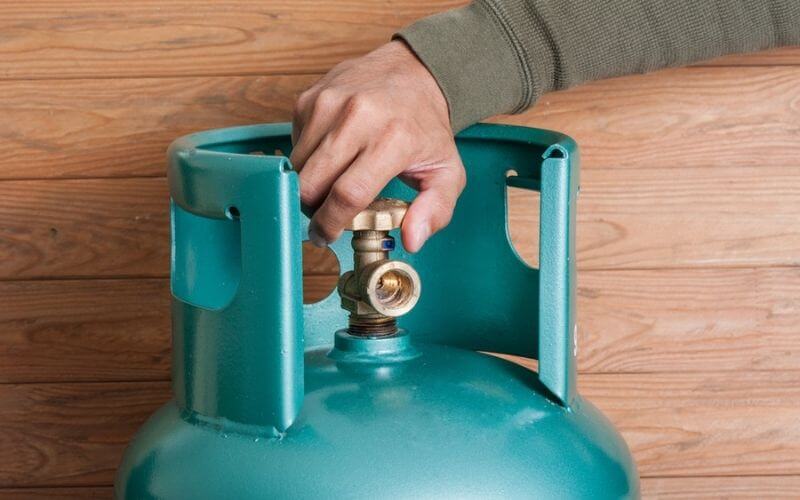
When handling propane regulators, it’s important to follow certain safety precautions and best practices to prevent accidents and ensure proper function. Here are some tips to keep in mind:
1. Store and Transport Properly 🚚
Propane regulators should be stored and transported in a cool, dry, and well-ventilated area away from heat sources, open flames, and sparks. They should be kept in their original packaging or a protective case to prevent damage.
2. Check for Damage 🔍
Before installing or using a propane regulator, inspect it for any signs of damage or wear, such as cracks, dents, or corrosion. If you notice any damage, replace the regulator immediately.
3. Use Proper Fittings 🔧
Make sure that the propane regulator is compatible with your gas appliance or equipment and that the fittings are tightened properly. Using the wrong fittings or overtightening can cause damage.
4. Test for Leaks 💦
Before using a gas appliance or equipment with a new or replaced propane regulator, test for gas leaks using a gas leak detector or soapy water. If you detect any leaks, turn off the gas supply and call a professional.
5. Keep Away from Children and Pets 👶🐶
Propane regulators should be kept out of reach of children and pets, who may accidentally damage or tamper with them. Educate family members and visitors about the dangers.
6. Use in Well-Ventilated Areas 🌬️
When using gas appliances or equipment, make sure the area is well-ventilated to prevent carbon monoxide poisoning. Avoid enclosed spaces without proper ventilation.
7. Turn Off Gas Supply ⛔
When not using gas appliances or equipment, turn off the gas supply at the propane tank to prevent gas leaks and conserve propane.
8. Call a Professional 📞
If you’re unsure about installing or replacing a propane regulator, or if you suspect a gas leak, call a professional for inspection and repair. Propane gas is highly flammable.
9. Regular Maintenance and Inspection 🛠️
Regularly schedule maintenance checks for your propane regulator and associated gas appliances. Keep a record of each inspection.
10. Emergency Procedures 🚨
Know the steps to take in case of a gas leak or malfunction. Have emergency contact numbers readily available.
11. Read Manufacturer Guidelines 📘
Always read and follow the manufacturer’s guidelines that come with the propane regulator for specific information on installation, usage, and troubleshooting.
12. Seasonal Considerations ❄️☀️
Be aware that extreme weather conditions, both hot and cold, can affect the performance of your propane regulator. Take necessary precautions.
Testing Your Propane Regulator for Leaks: A Step-By-Step Guide 📝
Testing your propane regulator for leaks is a critical safety measure. A leaky regulator poses serious risks. Knowing how to identify one is important.
Below is a step-by-step guide on how to conduct this essential test.
Step 1: Visual Inspection 👀
Start with a basic visual inspection. Look for signs of wear or damage on the regulator and the connecting hose. Follow the manufacturer’s guidelines. Certain physical signs can indicate a problem, such as cracks, discoloration, or frayed edges on the hose.
Step 2: Soap Test 🧼
One of the most reliable methods to test your propane regulator for leaks is the soap test. Prepare a soap-water solution in a spray bottle. Turn the gas slightly on and spray the solution onto the regulator and hose. Bubbles will form if there’s a leak.
Step 3: The Sniff Test 👃
Another option is the sniff test. Make sure the area is well-ventilated. Turn off all ignition sources. Open the gas valve a little and sniff around the regulator and hose connections. If you smell gas, there’s likely a leak.
Step 4: Using Leak Detection Solutions 🔍
Some specialized leak detection solutions are available. These are more sensitive than the soap-water solution and can detect minor leaks. If you don’t have a specialized solution, stick to the soap test or sniff test.
Step 5: Professional Inspection 👨🔧
If you’re still uncertain, it’s a good idea to consult a professional. They have specialized equipment and training to identify and fix leaks effectively.
Troubleshooting Guide: Propane Regulator
Resetting the Regulator
Resetting the propane regulator can often solve minor issues you may encounter. To reset, first turn off the gas supply by rotating the shutoff valve to the “off” position. Disconnect the regulator coupling nut and wait for a few minutes. This pause allows the regulator to return to its default settings. Reconnect the coupling nut and slowly turn the shutoff valve back to the “on” position. Light the grill to see if the problem is resolved.
Additional Troubleshooting Tips🛠️
Check the Hose
Inspect the regulator hose for any signs of wear, cracks, or damage. If you find any, consider a regulator replacement or at least a hose replacement.
Listen Carefully👂
Pay attention to any unusual sounds like hissing or popping. These could be indicators of a faulty regulator or gas leak.
Flame Quality🔥
Observe the flame on your grill. If you see lazy flames or the burners light up unevenly, this could point to a regulator issue.
Bypass Valve⛔
Some regulators come with a bypass valve. If your grill isn’t working as expected, check this valve. It might have been triggered, cutting off the gas supply.
Consult the Manual📘
Always refer to the manufacturer’s guidelines for specific troubleshooting steps tailored to your grill model.
By following these troubleshooting steps, you can identify and possibly fix any issues with your propane regulator. If problems persist, consult a professional for further assistance.
How to Order a Propane Regulator Replacement🛒
Ordering a propane regulator replacement is a straightforward process, but there are some key factors to consider to ensure you get the right fit for your grill. Here’s how to go about it:
Identify the Model🔍
The first step is to identify the model of your current propane regulator. You’ll find this information either on the regulator itself or in the user manual of your gas grill.
Check Compatibility✔️
Before placing an order, make sure the new regulator is compatible with your gas grill. Compatibility is crucial for the safety and efficiency of your grilling setup.
Online or In-Store🏪
You can buy a propane regulator replacement either online or at a physical store. Online stores often provide a broader selection, but in-store purchases allow you to seek immediate advice from experts.
Read Reviews🌟
If you’re purchasing online, reading customer reviews can give you an idea of the product’s reliability and performance. This information can be valuable in making an informed decision.
Make the Purchase💳
Once you’ve gathered all the necessary information, proceed to make the purchase. Make sure to also buy any additional parts you might need, such as a regulator coupling nut or a new gas hose.
Installation🛠️
After receiving the new regulator, you can either install it yourself by following the manufacturer’s guidelines or hire a professional to do it for you.
Finding Your Propane Regulator
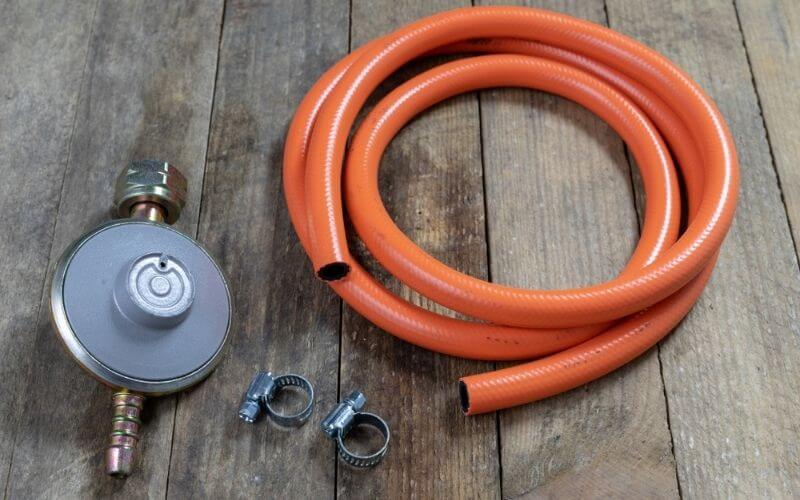
Regulators are generally found under the tank dome or when installed outside the dome, they will have the vent pointed downwards. The vent is pointed this way to prevent rain, ice, and dust from entering the regulator.
In short, the regulator will always be found somewhere near the tank.📍
The vent generally has a screen that keeps insects out, as certain insects will make a nest in a regulator without a protective vent screen. Regulators also have internal moving parts that are subject to wear and tear and after some time, resulting in their frequent alteration.
Propane companies can tell customers when the regulator needs to be changed due to either age or malfunction and the consumer needs to replace the regulator quickly.
The industry norm is 10 years before a regulator needs replacement📆, although some may have to be replaced even sooner.
If your regulator has ever been underwater, it needs to be thrown out immediately🚫. There is a difference between adjusting the gas valve regulator and replacing it. While licensed mechanics can make adjustments, a malfunctioning propane regulator has to be replaced.
How to Replace Your Propane Regulator
1. Turn off the Gas Supply
Turn off the valve on the propane tank to cut off the gas supply. Make sure that all gas appliances and equipment are turned off before proceeding.
2. Disconnect the Regulator
Use a wrench to loosen the nuts that connect the regulator to the propane tank and the gas line. Gently pull the regulator away from the tank and disconnect it from the gas line.
3. Install the New Regulator
Attach the new regulator to the propane tank and the gas line, tightening the nuts with a wrench. Make sure that the regulator is installed in the correct orientation and that all connections are tight.
4. Test the System
Turn on the valve on the propane tank and test the gas appliance or equipment to ensure that everything is working correctly. Check for gas leaks and adjust the pressure if necessary.
Unique Uses for Propane Regulators in Everyday Life🏡
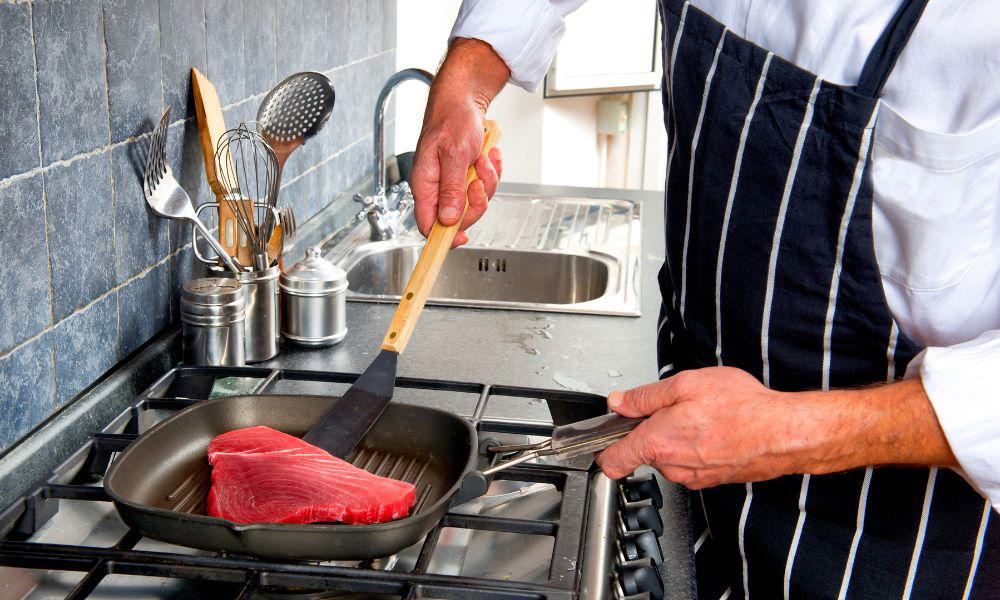
Propane regulators have a range of uses beyond grilling. They are key parts in many household and outdoor tools. Here are unique ways you can use propane regulators in daily life.
Rotisserie Cooking🍗
Attach a propane regulator to your gas grill with rotisserie. This regulator ensures the gas flow is steady, which improves your cooking.
Home Heating and Safety🏠
Using a propane regulator on house heating systems keeps your home warm in a stable manner. This is key for both comfort and safety, particularly in cold climates.
Cozy Fireplaces🔥
A gas fireplace regulator controls the propane flow, ensuring efficient burning. This turns your fireplace into more than just a decor piece.
Various Cooking Appliances🍳
If you own a Jenn Air BBQ grill or a Dyna Glo natural gas grill, a propane regulator ensures that the regulator on a gas grill functions well. This helps you enjoy a perfect BBQ every time.
Brand Considerations for Outdoor Grilling🍖
If you have an Expert Grill 6 burner or are looking among the best outdoor grill brands, think about the availability of propane grill regulator replacement parts. This is vital if you encounter propane hose problems or find that your BBQ regulator is not working.
Appliance Pressure Control🔧
In appliances like Blackstone grills, make sure to check the LP gas grill regulator pressure settings for optimal performance.
Where to Shop🛒
If you’re facing faulty gas regulator symptoms, it’s time to get a new one. Stores like Home Depot have a section for barbeques and regulators. You can also search for a “propane regulator near me” in local listings.
Both a gas hose for grill and a regulator that explains what a regulator does on a propane tank are incredibly useful devices.
The Environmental Impact of Propane Regulators🌍
Propane regulators play a critical role in controlling the flow of gas from propane tanks to various appliances. But have you ever thought about their effect on the environment? Here’s a look at how they can help or harm our planet.
Energy Efficiency⚡
Propane regulators help make the most of propane gas, a fossil fuel that burns cleaner than most. They keep gas flow steady. This helps appliances work well and lowers both waste and emissions.
Material Longevity♻️
Propane regulators are often made from durable materials that last a long time. Fewer replacements mean less harm to the environment.
Potential for Leaks🔍
A faulty or poorly-maintained propane regulator can cause gas leaks. These leaks are not just risky but also add to greenhouse gas emissions. Regular checks and upkeep of your regulator can lower this risk.
Manufacturing and Disposal🏭
Making propane regulators involves metals and plastics, which have their own environmental costs. Throwing away old or broken regulators the wrong way can also hurt the environment.
Carbon Footprint👣
A propane regulator can either lower or raise the carbon footprint. It depends on how well you keep it.
The History of Propane Regulators📜
The history of propane regulators is closely linked to how propane gas has been used over time. Here’s a look at the key milestones in their history.
Early Beginnings⏳
Propane was first found in 1910 by Dr. Walter Snelling, a chemist studying gases from oil. The first propane regulators were basic, not like the reliable ones we have today.
Advancements in Material🔩
With better technology, makers began using strong materials like stainless steel. This made the regulators last longer and work better.
The Rise of Grilling🔥
After World War II, more people started living in suburbs and grilling outdoors. This increased the need for safer and better propane regulators.
Safety Measures⚠️
Safety has become a big focus over the years. Now, modern regulators have safety features like shutoff valves to prevent leaks.
Versatility in Applications🔧
As propane gas got used for more than just grilling, the need for special types of regulators grew. Now, you can find regulators made for specific tasks.
Standardization📏
As more people used propane gas for different things, having set rules for regulators became important. These rules are set by groups like the American National Standards Institute (ANSI).
Still Have Questions?
Below you will find answers to queries people tend to have about replacing their propane regulators.
01. How Does a Propane Regulator Work?
In most cases, propane regulators produce a working gas pressure in the area of less than a pound of pressure that can be measured on a gauge.
This is done by a rubber diaphragm that is attached to the inside of the aluminum saucer. The pressure spring moves against this diaphragm and helps to control the dispersed gas.
02. What Kind of Propane Regulator Do I Need?
This depends on the kind of appliance you need the regulator for. For instance, you will need a different regulator for grills, fireplaces, stoves, and water heaters. Also, the kind of regulator will depend on the number of BTU/hr.
04. What Does Propane Look Like?
Propane is a colorless gas with a light but distinct smell. Most commercial propane is stored under pressure in tanks, in liquid form. Liquid propane looks like water; it is colorless and odorless.
05. How Do I Know When I Need to Replace My Gas Grill Regulator?
You may need to replace your gas grill regulator if you notice low flame levels, irregular flame patterns, or a noticeable smell of gas. A visual inspection can also reveal signs of wear or damage.
06. What Could Be Wrong with My Gas Grill Regulators?
Issues could range from gas leaks and low pressure to blockages and mechanical failure. A faulty regulator may result in uneven cooking and could even be a safety hazard.
07. How Do I Perform Troubleshooting on My Gas Grill Burners and Regulator?
Start by checking for gas leaks, inspecting hoses, and testing the regulator pressure. Make sure the burners are clean and free from obstruction. If problems persist, consult the manufacturer’s troubleshooting guide or contact a professional.
08. Can I Grill Without a Proper Regulator on My Gas Grill?
No, grilling without a proper regulator is unsafe. The regulator ensures that the propane flows at the correct pressure to allow for safe and even cooking.
09. What Is the Purpose of the Bypass Valve in My Regulator Gas Valve?
The bypass valve acts as a safety feature. It will shut off the gas flow if it detects irregularities, preventing potential accidents or equipment damage.
10. Is Tank Replacement Needed if I Have Regulator Problems with My Grill?
Not necessarily. Tank replacement is generally only needed if the tank itself is damaged or leaking. A faulty regulator can often be replaced without changing the tank.
11. How to Test My Propane Tank and Regulator for Leaks During Grilling?
You can test for leaks by applying a soapy water solution to the connections and opening the valve slightly. If bubbles form, there is a leak. Always perform this test in a well-ventilated area away from open flames.
12. What Grill Parts Do I Need for Grill Regulator Replacement?
For a grill regulator replacement, you’ll need a new regulator compatible with your grill model, a wrench, and possibly new hoses or fittings if the existing ones are damaged.
13. Where Can I Find a Gas Grill Regulator Replacement for My Burners?
Replacement regulators can be found at hardware stores, grill specialty stores, and online. Make sure the replacement is compatible with your grill model.
14. How to Reset My Valve and Regulator if I Suspect Issues on My Tank?
To reset, turn off the gas supply using the valve on the tank. Disconnect the regulator, wait a few minutes, and then reconnect it. Turn the gas supply back on and test the system to see if the issue is resolved.
Epilogue
A working regulator will allow you to use your appliances safely and properly. Knowing how to tell if a propane regulator is bad will help get a replacement before it’s too late.🕒
As a result, it’s important to keep a lookout for the different symptoms that indicate malfunction. With all that being said, have you noticed any of these signs on your propane regulator?🤔