
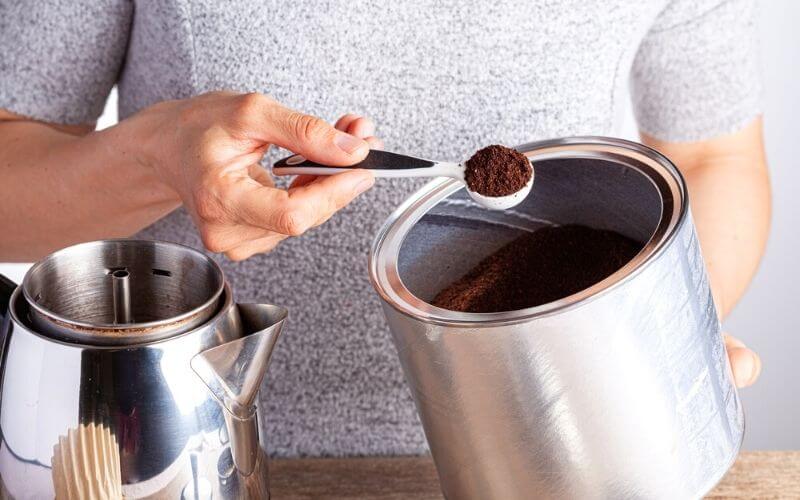
How many tablespoons in a cup? Well, in the US customary system, you’ll find 16 tablespoons/cup. For instant tablespoon conversions, use the fast calculator below. Need tips on measuring wet or dry ingredients? Keep reading.
Calculator
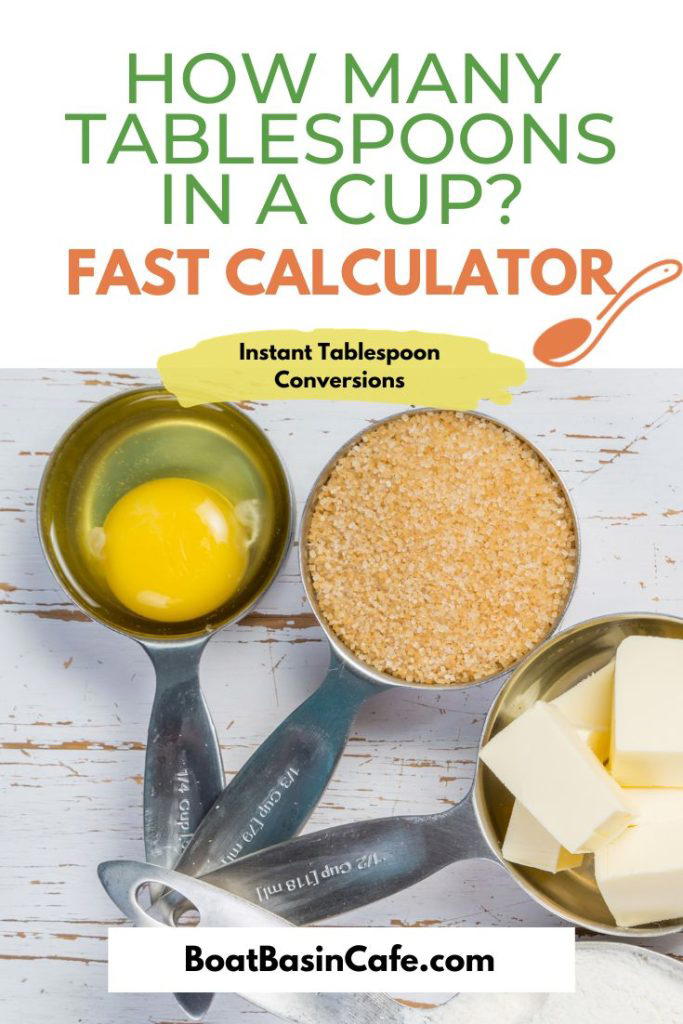
Understanding Tablespoons and Cups
Tablespoons and cups are both units of volume used to measure ingredients in recipes. A tablespoon is a smaller unit of measurement than a cup and is used for both liquid and dry ingredients. One tablespoon equals approximately 15 ml of liquid or 0.5 fluid ounces.
Difference between the two units
The abbreviation for tablespoon is ‘tbsp‘ or ‘T.’ A cup is a larger unit for measuring liquids. One cup holds 240 ml or 8 fluid ounces. The abbreviation for the cup is ‘c.’
You must use the right tool to measure each ingredient in cooking and baking. Use measuring cups for liquid ingredients like water, milk, and oil. Standard sizes are 1/4 cup, 1/3 cup, 1/2 cup, and 1 cup.
| Feature | Tablespoon | Cups |
| Used for | Liquid and dry ingredients | Mainly for liquid ingredients |
| Equivalent to | Approximately 15 ml or 0.5 fluid ounces | Approximately 240 ml or 8 fluid ounces |
| Abbreviated as | tbsp or T | c |
| Size | Smaller than a cup | Larger than a tablespoon |
Spoons measure liquid and dry ingredients like sugar, flour, and spices. They usually come in sizes of 1/4, 1/2, and 1 tablespoon.
Getting measurements right, especially tablespoon conversions, is crucial in cooking and baking. The wrong ingredient amount changes a dish’s taste and texture.
Cooks and bakers use them in the kitchen for various recipes
For instance, too much flour makes a cake dry and dense. Too little sugar turns a dessert tart, while too much makes it sweet.
Baking needs incredibly accurate measurements. Chemical reactions between ingredients decide if the final product succeeds.
Importance of precise measurements
For example, the baking powder in a cake recipe controls how much the cake rises and its texture. Too much or too little baking powder makes a cake that either won’t grow or turns out too dense.
If you’ve panicked and googled the terms’ how many tbsp in a cup‘ halfway through cooking, sit back and relax. Once you crack the code, any cup to tablespoon conversion becomes easy.
In the standard U.S. measurement system, there are 16 tablespoons per cup.
The next time you bake and need a cup of flour, use 16 level tablespoons. Refrain from guessing or using a regular teacup.
How Many Tablespoons in a Cup? Conversion Guide
To work out the tablespoon conversions, how many tbsp in 3/4 cup? For this, you need to do a little math. In this case, it’s multiplied from 16 to ¾. 16x ¾=12, so there are 12 tablespoons in ¾ cup to tbsp.
From here, the calculations for tablespoon conversions become simple for most recipes. To figure out how many tablespoons in half a cup you need, halve the amount. For most ingredients, half a cup equals 8 tablespoons.
| Measurement in Cups | Equivalent in Tablespoons |
| 1 Cup | 16 Tablespoons |
| 1/2 Cup | 8 Tablespoons |
| 1/3 Cup | 5 Tablespoons + 1 Teaspoon |
| 1/4 Cup | 4 Tablespoons |
| 1/6 Cup | 2 Tablespoons + 2 Teaspoons |
| 1/8 Cup | 2 Tablespoons |
| 2/3 Cup | 10 Tablespoons + 2 Teaspoons |
Now that you know how many tbsp in 1/2 cup there are, you can continue scaling things down further. To calculate how many tablespoons in a quarter cup, divide 16 by 4. There are 4 tablespoons in a quarter cup of dry ingredients like rice or flour.
In the spirit of thoroughness, you can take measurement conversions even further. How many tablespoons in 1/8 cup are there? Divide 16 by 8, and you have your answer. One-eighth of a cup translates to two tablespoons under the US customary system.
Now that we’ve covered the basics, let’s move on to trickier conversions involving volume measurement. Most people need help figuring out how many tablespoons are in 2/3 cup.
So, how many tablespoons are there in 1/3 cup? Multiplying ⅓ by 16 equals 5.333, which is a fraction. While it’s possible to approximate the volume and use just over 5 tablespoons, there’s a more precise way to tackle cup measurements. Instead, use 5 tablespoons + 1 teaspoon, which is a more exact amount.
To convert ⅔ cups to tablespoons, you need 10 tablespoons and 2 teaspoons of the ingredient.
Amidst all these conversions, remember that you don’t need separate spoons for wet and dry ingredients. The same tablespoon works for oil, water, spices, or flour. This saves you time and keeps your kitchen streamlined.
👩🍳Note: Even though the measuring spoon remains the same, the measurement method can differ for liquids and solids.
Fill the tablespoon to the brim when working with liquid ingredients like water, oil, or milk. Be mindful not to spill anything. Holding the spoon over a bowl or sink can catch any overflow. This method ensures an exact volume measurement, and keeping a steady hand prevents spills.
Alternatively, the technique changes when it comes to dry ingredients such as flour, sugar, or spices. First, scoop the ingredients into a tablespoon, overfilling it slightly. Next, use a flat-edged knife to level off the top, removing excess elements. This step guarantees you can measure exactly what you need without any extra.
Remember to measure the ingredients with a U.S. Legal Cup in the world of cup measurements. Fill the cup, then level off the top with a knife to remove extra.
Wet Tablespoons vs. Dry Tablespoons
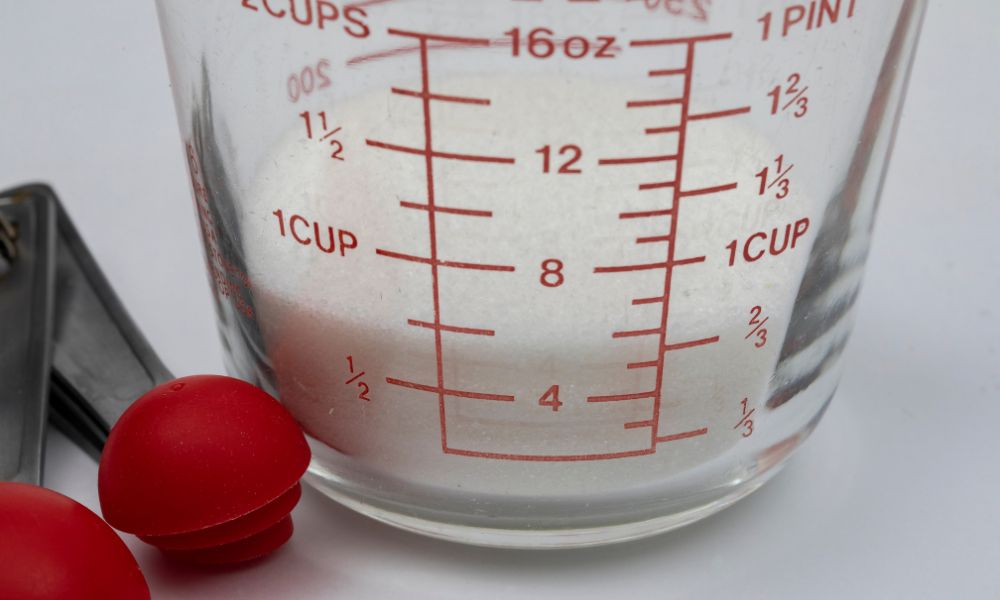
Standard cups, integral for U.S. recipes, hold 240 ml and adhere to the United States’ FDA guidelines for kitchen measurements. Legal cups, also with a 240 ml capacity, are specific to nutrition labeling as defined by the FDA.
It’s essential to be aware that in countries such as Australia, Canada, and the U.K., metric cups, which hold 250 ml, are the norm. Understanding your cup type makes cooking easier, regardless of whether you’re measuring a pint of liquid or a stick of butter.
| Country | Cup Used | Volume of Cup |
| United States | Standard Cup | 240 ml |
| Australia, Canada, U.K | Metric Cup | 250 ml |
Measuring Wet Ingredients
👩🍳Note: Accurate cup measurements can help even when measuring small quantities, like a pinch of salt.
Measuring Dry Ingredients
The simple formula to convert a recipe from tablespoons to cups is based on the fact that one cup equals 16 tablespoons. So, divide the tablespoons by 16 to get your cup volume.
Example: If your recipe requires 32 tablespoons of flour, divide 32 by 16. The result is 2, indicating that you need 2 cups of flour.
In need of more examples? If a recipe specifies 8 tablespoons of sugar and you only have a cup measurement, divide 8 by 16. The result is 0.5, showing you need half a cup of sugar.
For larger recipes, you might need to translate into gallons. One gallon contains 16 cups or a considerable 256 tablespoons.
Types of Cups: Standard, Legal, and Metric
In cooking, both tablespoons and cups are important tools in weight and volume measurement. For example, butter and flour have different weights in a tablespoon. That’s why having precise conversion tables for these kitchen basics is important.
For a deeper understanding of measurement systems, check out Imperial vs. Metric for Daily Life: Your Quick Calculator to learn how they impact everyday activities.
Butter usually comes with markings for weight and tables full of tablespoons. One tablespoon of butter weighs about half an ounce or 14 grams. So, 8 ounces of butter equals 16 tablespoons. 🧈How many tablesppons is a stick of butter
For flour, don’t pack it in a cup. Spoon it in loosely and level it with a knife. One cup of all-purpose flour weighs around 4.5 ounces or 128 grams.
Accuracy is everything when it comes to following a recipe. Both wet and dry measurements need a specific level of precision. Here’s how to calibrate your measuring tools for accuracy using your very own kitchen tables full of ingredients.
1. Fill with water: Fill your measuring cup to the line with water. Water’s density makes it the perfect medium for this task.
2. Check the level: Now, check the water level. It should reach the line indicated on the cup.
3. Adjust if necessary: If the water level is above or below the line, take note of the difference. You will need to adjust your measurements when using the cup.
How to convert recipes from tablespoons to cups
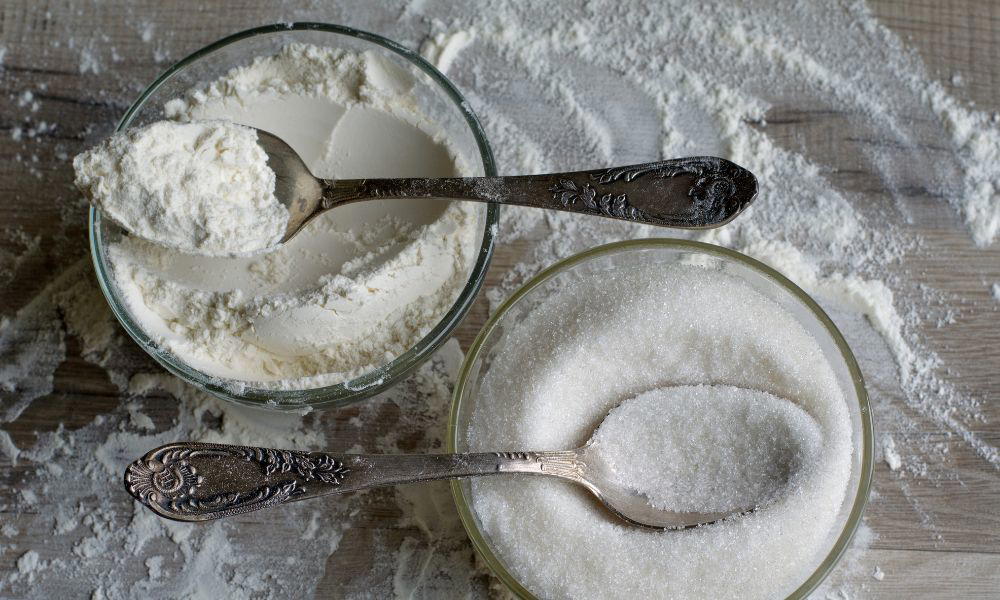
1. Weigh with a food scale: A kitchen scale can be handy for calibration. Fill your tablespoon with water and weigh it. Water weighs about 14.79 grams per tablespoon.
2. Weigh it: Remember to adjust your measures if your spoon carries more or less than this amount.
Calibration may involve using tables and tool inspection for damage. Measurements need to be more accurate with warped or broken tools. Maintaining and calibrating them simplifies cooking and baking.
The Gallon Factor
Calibration using measurement tables assures accurate measurements for challenging baking projects or easy dinner recipes. Take notice of this critical part of the cooking process. It might make the difference between an average and a spectacular dish.
Mass and Volume
Knowing these conversions helps a lot, especially in a cooking emergency. The conversions are not from cups to tablespoons alone. Changing between ounces and spoons also helps.
Ever wondered how many teaspoons are in an ounce? Well, an ounce equals 6 teaspoons or 2 tablespoons. So, if a recipe asks for ⅛ cup of an ingredient, you can conveniently replace it with an ounce.
What if you need half a tablespoon? This conversion may appear challenging, but it’s pretty simple. You can convert it into teaspoons using tables you have, which are common in every kitchen. Half a tablespoon equals 1.5 teaspoons, an easy measure for dry ingredients.
How to Convert Tablespoons to Other Units
| Other Units | Tablespoons |
|---|---|
| 1 cup | 16 tablespoons |
| 1 fluid ounce | 2 tablespoons |
| 1 teaspoon | 1/3 tablespoon |
| 1 milliliter | Approximately 0.067 tablespoons |
| 1 liter | Approximately 67.63 tablespoons |
| 1 pint | 32 tablespoons |
| 1 quart | 64 tablespoons |
| 1 gallon | 256 tablespoons |
| 1 pound | 32 tablespoons |
Choosing the Best Measuring Tools
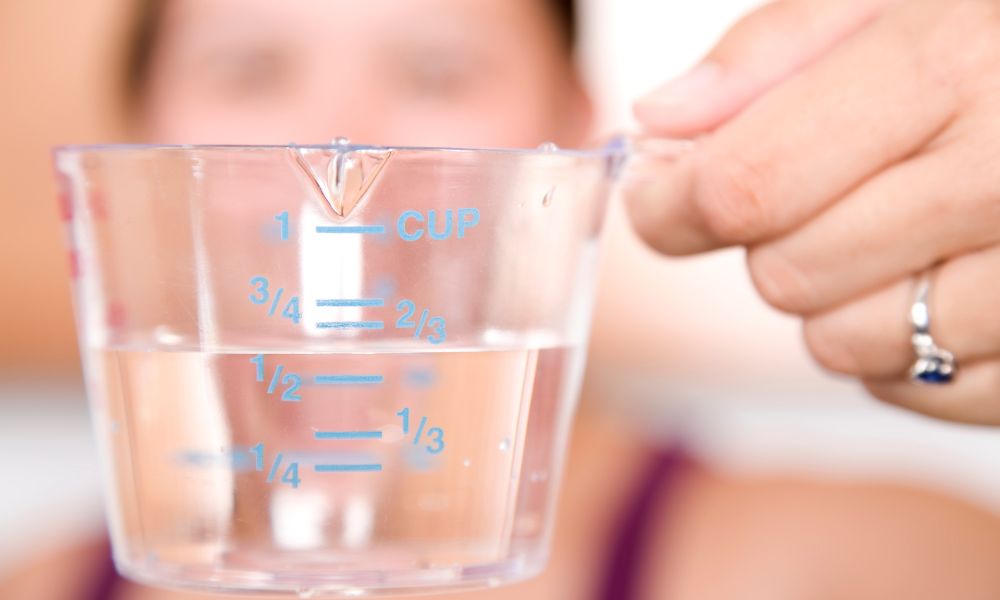
1. Dry Ingredients: You use dry measuring cups for dry ingredients like flour and sugar. Fill the cup to the top and swipe off the excess with a straight edge for an accurate measure.’
2. Ingredients in liquid form: If you want to see how much milk, oil, or other liquid is in a cup, clear cups are best. Pour the juice in, get down at eye level to view the measurement, and make sure it hits the correct mark.
3. Small Amounts: A set of measuring spoons is beneficial when using salt, baking powder, or spices. Fill it to the top and level it off!
| Ingredient Type | Measuring Tool |
|---|---|
| Flour | Dry Measuring Cups |
| Sugar | Dry Measuring Cups |
| Baking Powder | Measuring Spoons |
| Salt | Measuring Spoons |
| Milk | Liquid Measuring Cup |
| Oil | Liquid Measuring Cup |
| Spices | Measuring Spoons |
Remember this handy guide while cooking; you will go right with your measurements. Remember, the key to great cooking is precision!
Practical Examples
| Ingredient | Volume | Tablespoons |
|---|---|---|
| Coffee | 1 cup | 16 tablespoons |
| Flour | 1 cup | 16 tablespoons |
| Milk | 1/2 cup | 8 tablespoons |
| Cocoa Powder | 3/4 cup | 12 tablespoons |
| Olive Oil | 2/3 cup | 10 tablespoons and 2 teaspoons |
| Yeast | 1/4 cup | 4 tablespoons |
| Lemon Juice | 1/6 cup | 2 tablespoons and 2 teaspoons |
| Shredded Cheese | 1 cup | 16 tablespoons |
| Honey | 1 cup | 16 tablespoons |
| Sugar | 1/3 cup | 5 tablespoons and 1 teaspoon |
| Vanilla Extract | 1/8 cup | 2 tablespoons |
| Peanut Butter | 1/2 cup | 8 tablespoons |
☕️ How much ground coffee per cup
☕️ How many scoops of coffee for 12 cups
Avoiding Common Measurement Errors
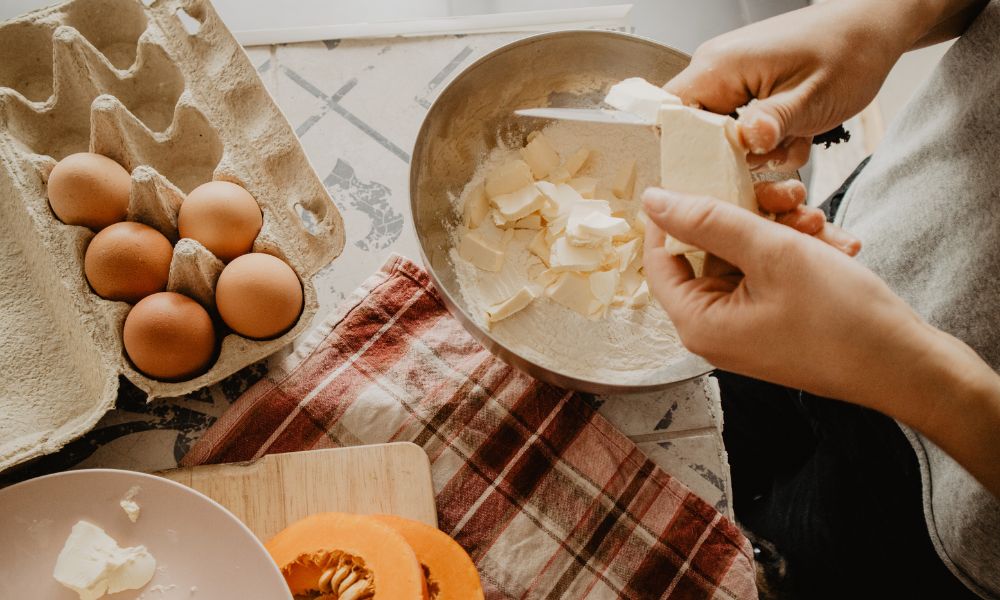
Cooking and baking measurements are like scientific experiments—accuracy is vital. A minor miscalculation might ruin a tasty dish. These guidelines can help you avoid frequent measurement errors.
1. Filling the measurer with flour, sugar, or other dry ingredients can overfill it.
👩🍳Best practice: overfill a dry measuring cup with dry materials and level with a straight edge.
2. Use dry measures for liquids and wet measures for liquids. Using a dry measure for drinks could lead to spills and wrong readings. Use clear, graded cups to measure drinks. Always see it at eye level on a flat surface.
3. Measure over the mixing bowl: Do not measure ingredients over your mixing bowl. Accidental spills or overfills can ruin recipes. Instead, measure over parchment paper or another dish.
4. The numbers for the spoons need to be corrected. A teaspoon or tablespoon in a recipe means a standard spoon, not a heaping spoon. Fill your spoon to the brim, then level it with a knife for exact measurements.
5. Swapping components without measuring: Different substances have different traits. Adjust the quantity when substituting ingredients. It’s worth the minor research.
6. Changes in temperature and altitude affect measurements. Flour absorbs more liquid in moist, chilly climes than in dry, hot ones.
Paying attention to these details improves your recipe’s chances of success. Always be cautious and measure twice when in doubt! Being accurate in the kitchen is very important. If you follow these simple rules, you’ll be better at cooking and baking.
FAQs
Here are common questions about changing cups to tablespoons and teaspoons.
How Many Dry Tablespoons Are in a Cup?
One cup changes to 16 tablespoons for dry goods like flour, sugar, and cocoa powder.
How Many Tablespoons Are in a 3/4 Cup?
For 3/4 cup, the conversion is 12 tablespoons.
How to Convert Tablespoons to Teaspoons?
One tablespoon equals 3 teaspoons. So, half a tablespoon becomes 1.5 teaspoons.
How Many Teaspoons Are There in a Cup?
In cooking, one cup equals 48 teaspoons.
What is the Difference Between Tablespoons and Cups?
Tablespoons measure both liquid and dry ingredients and are smaller than cups. Cups mostly measure liquid ingredients and are larger.
How Many Tablespoons Are in a Cup of Butter?
A cup of butter changes to 16 tablespoons.
Why is it Important to Double-Check Your Math When Converting Recipes?
Checking your math twice helps prevent mistakes, leading to wrong measurements and a ruined recipe.
How Many Tablespoons Are in a Cup of Brown Sugar?
A cup of brown sugar changes to 16 tablespoons.
How Many Tablespoons Are in a Quarter Cup?
A quarter cup becomes 4 tablespoons.
How Many Tablespoons Are in a Half Cup?
A half-cup converts to 8 tablespoons.
Final Say
Guessing about cooking gives unpredictable results and might ruin your meal. This risk is higher for new cooks. Knowing how many tablespoons are in a cup helps whether you’re cooking rice or making cupcakes.
Now you understand this conversion. You don’t need to measure dry ingredients in cups anymore. Use a tablespoon and teaspoon, and your cooking should turn out fine. Enjoy your cooking adventures!