
Culinary expert John Smith says that for raw, average-sized chicken breasts, four breasts make up 1 pound. 🐔 Cooking causes water loss in chicken.
So, you may need between 4.5 to 5 cooked breasts to make up 1 pound. Knowing the weight of chicken breasts helps in meal planning and scaling recipes.

How Many Chicken Breasts Are in a Pound?
This section shows how many chicken breasts are needed when your recipe calls for a pound of the ingredient.
When Dealing with Raw Chicken:
When it comes to chicken breast weight, an average chicken breast weighs between 3 and 8 ounces when raw. Using this measurement of ounces in chicken breast, you will need 4 chicken breasts for a pound when dealing with an average-sized chicken breast.
This measurement is meant for raw chicken breasts, whether or not they are left whole or cut into cubes. Moreover, this is under the assumption that you are using average chicken breast weight. In other words, 1 pound chicken breast calls for 4 individual chicken breasts.
When Dealing with Cooked Chicken:
After the meat is cooked, there is a certain amount of water loss. As a result, you may need some extra chicken breasts to make up a pound. When a recipe calls for a pound of cooked chicken breasts, it is a good idea to use 4 and a half or 5 breasts, depending on their weight.
Different Types of Chicken Breasts
When it comes to purchasing chicken breasts, there are several different options available. Here are some of the most common types of chicken breasts:
Bone-in
These chicken breasts still have the bone attached, which can help keep the meat moist and flavorful during cooking. They may take longer to cook than boneless chicken breasts, but many people prefer the taste and texture.
Boneless
As the name suggests, boneless chicken breasts have had the bone removed. They are a popular option for those who prefer a more convenient cut of meat, and they can be prepared in a variety of ways.
Skin-on
Chicken breasts can also be purchased with the skin still attached. This can add extra flavor and help keep the meat moist during cooking. However, the skin can also add extra calories and fat.
Skinless
Skinless chicken breasts have had the skin removed, making them a leaner option. They can be a good choice for those watching their calorie intake.
Organic
For those looking for an option free from antibiotics and hormones, organic chicken breasts can be a good choice. These chickens are raised on organic feed and have access to the outdoors, which can result in more flavorful and nutritious meat.
No matter which type of chicken breast you choose, it’s important to handle and prepare it safely to avoid foodborne illness. Always cook chicken to an internal temperature of 165°F, and use separate cutting boards and utensils for raw chicken to avoid cross-contamination.
All About Chicken Breasts: Weights and Sizes
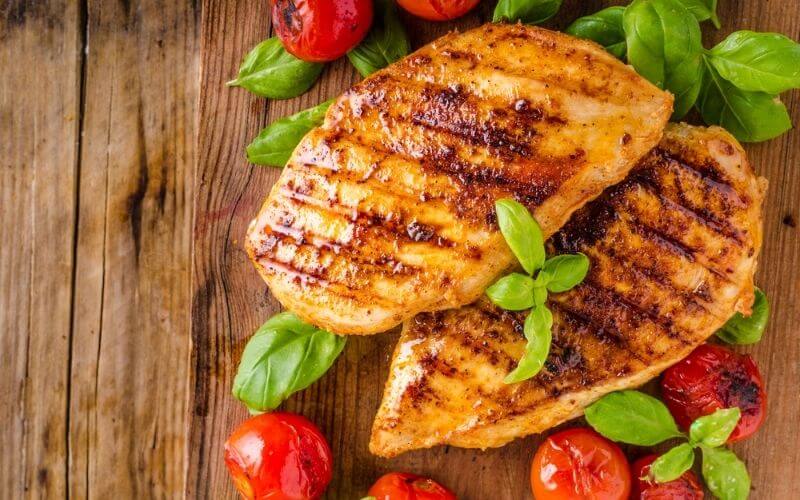
Have you ever wondered how the sizes of chicken breasts correspond to their weight? If one chicken breast weighs 8 ounces, it will be the size of two adult palms. On the other hand, a 4 oz chicken breast, compared to one hand, will be the size of a palm and can be held in one hand.
Meanwhile, an 8 oz chicken breast size can fill one cup when cubed or sliced. This scale is for raw, skinless, boneless breasts. Measuring chicken breast ounces is a better way when compared to measuring the number of breasts or cups.
Here is a summary of the different measurements discussed here:
| Chicken Breast Oz | Number of Breasts | Cups |
| 8 ounces | 2 | 1 |
| 16 ounces (1 pound) | 4 | 1.5 |
| 32 ounces (2 pounds) | 8 | 3 |
| 48 ounces (3 pounds) | 12 | 4.5 |
Here are a few examples to illustrate how the number of chicken breasts in a pound can vary:
If you have boneless, skinless chicken breasts that weigh 6 ounces each, you would have approximately 2.67 chicken breasts in a pound.
If you have bone-in chicken breasts that weigh 12 ounces each, you would have approximately 1.33 chicken breasts in a pound.
If you have organic chicken breasts that weigh 4 ounces each, you would have approximately 4 chicken breasts in a pound.
Nutrition Information:
Chicken, especially the white meat portion, is a common choice for healthy, low-fat diets. It has a lot of protein, without the fat and can be cooked in a number of ways without loss of flavor.
One chicken breast (around 4 ounces in weight) has the following nutritional breakdown:
- Calories: 284
- Protein: 53.4 grams
- Carbs: 0 grams
- Fat: 6.2 grams
As a result, the chicken breast is an ideal option for those on a low-carb diet as the breast contains no carbohydrates.
Which is Healthier- Chicken Breast or Thigh?
As you may have noticed, chicken breasts are the healthiest part of the chicken, known as white meat. It has a high protein content and lower cholesterol and saturated fats.
However, chicken thighs are more generally preferable in terms of both taste and affordability. They have more moisture and are softer, and thus taste better. But are they healthier than chicken breasts?
Chicken thighs of the same weight as breasts have 3 times more fat and 201 calories. Regarding fat content, the breasts are healthier because they are much leaner.
Calculating the exact amount in terms of calories and nutrients is difficult as cooking it with sides like veggies and cooking it in oil will also add to the calories. Similarly, carbs in your meal can come from potatoes, bread, or rice.
How Much does a Chicken Breast Weigh: Small, Average, and Large
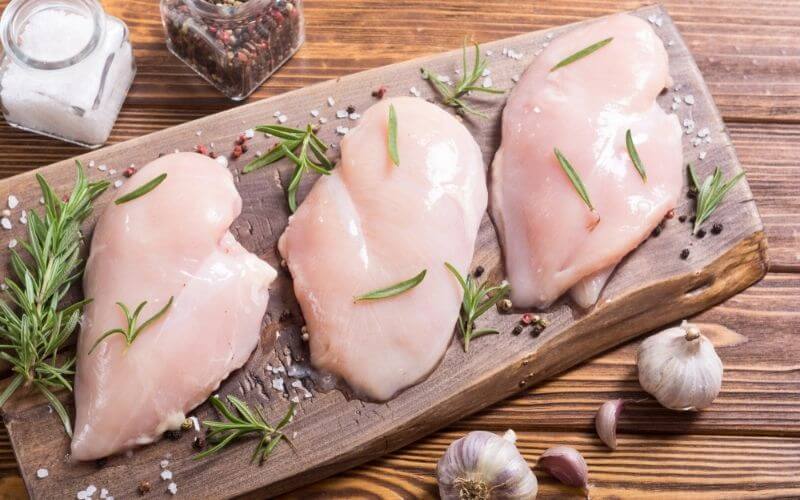
Regarding chicken breasts, size matters, especially if you’re trying to figure out how many chicken breasts are in 1 pound. Typically, chicken breasts come in different weight classifications: small, average, and large.
| Size | Average Weight | Perfect For | Breasts Needed for 1 lb |
|---|---|---|---|
| Small | 3 ounces | Single servings, Pasta with chicken, Bean, and chicken salads | 5-6 |
| Average | 5-7 ounces | Most commonly found in grocery stores, Grilled chicken recipes, Baked chicken dishes | 2-3 |
| Large | 8 ounces or more | Hearty dishes, Stuffed chicken, Chicken with rich sauce | Up to 2 |
Small Chicken Breasts
Small chicken breasts usually weigh around 3 ounces each. These are perfect for single servings and can be used in recipes like Pasta with chicken or Bean and chicken salads. Note: You will only need about 5 to 6 of these to make up a pound of chicken.
Average Chicken Breasts
On average, a chicken breast weighs between 5 and 7 ounces. This is the size most commonly found in grocery stores. They are excellent for Grilled chicken recipes or baked chicken dishes. Note: You will typically need 2 to 3 average-sized chicken breasts for a pound of chicken.
Large Chicken Breasts
Large chicken breasts can weigh up to 8 ounces or more. These are awesome for recipes that require a hearty piece of chicken, such as stuffed chicken or chicken served with a rich sauce. Note: You will only need up to 2 of these to make up a pound.
📌 Special Mention: Frozen, Diced, and Deboned
Frozen chicken breasts may weigh a bit more due to water content. Diced and deboned chicken will weigh less because they lack bones and may have less moisture.
Remember, when dealing with frozen or split chicken, adjustments must be made to cooking times and temperatures.
🍗 Cooked Chicken
When you cook chicken breasts, they undergo a slight weight reduction due to water and fat loss. As highlighted by culinary expert John Smith, it’s common to see an approximately 20% to 25% decrease in weight post-cooking. Therefore, if you’re starting with raw chicken breasts that weigh a pound, you might find yourself with about 12 to 14 ounces of cooked chicken.
Note: This weight shift can be vital when you’re aiming for precision in recipes that call for cooked chicken by weight.
How Much Does a Chicken Breast Per Pound Weigh?
This is a common question, and the answer varies. How much a chicken breast weighs depends on several factors, including whether it’s bone-in or boneless chicken breast. For chicken breast per pound, the weight can range from 3 ounces for a small piece to 8 ounces for a large piece.
Understanding these weight classifications allows you to make better choices when shopping and cooking. Whether you’re preparing Grilled chicken salads or baked chicken casseroles, knowing the weight helps get the portions right.
In pounds, this guide should help you figure out how many chicken breasts in 1 lb you will need for your next culinary adventure. With this knowledge, you will get the top results every time you cook.
Thawed vs. Frozen
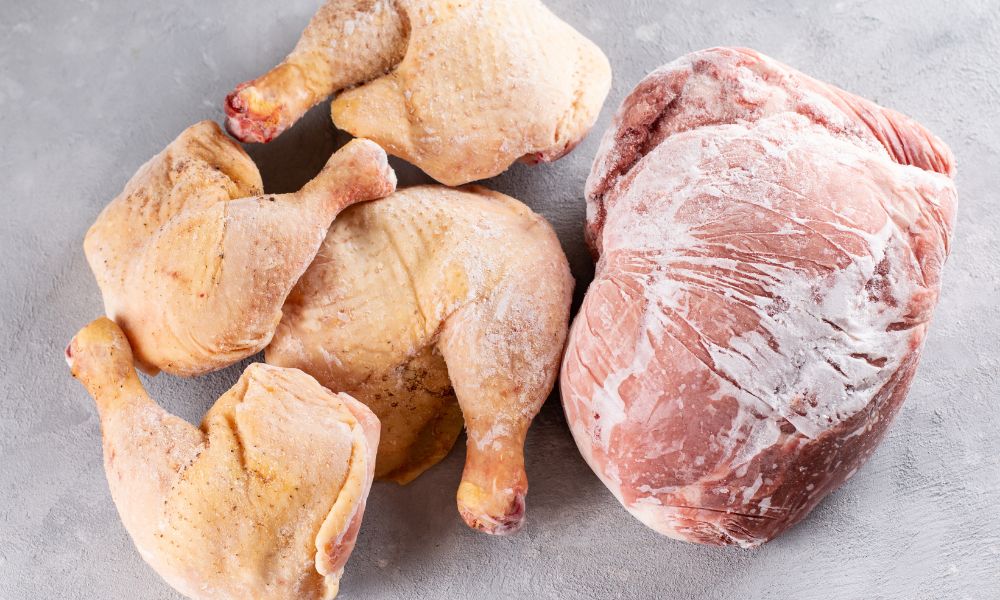
Understanding the weight of a chicken breast in its different states—thawed and frozen—can be essential for cooking and meal planning. The weight can vary, affecting how much chicken you need for a recipe. Here, how much a chicken breast weighs is explored in detail for both thawed and frozen states.
Table: Chicken Breast Weight – Thawed vs. Frozen
| State | Average Weight | Large Weight | Pieces Needed for 1 lb |
|---|---|---|---|
| Thawed | 5-7 ounces | Up to 8 ounces | Varies |
| Frozen | Slightly more due to the water content | Up to 9 or 10 ounces | Varies |
Average Weight
On average, a thawed chicken breast weighs between 5 and 7 ounces. This is the most common weight when buying boneless chicken breast from the store. Note: If you’re working with frozen chicken, the weight can slightly increase due to water content. For a pound of chicken, if using frozen, you might need fewer pieces than you would if using thawed chicken.
Large Weight
For large chicken breasts, the weight can go up to 8 ounces or more when thawed. Note: The weight can be even more when dealing with frozen large chicken breasts, sometimes reaching up to 9 or 10 ounces due to the extra water content. In this category, you will need only one or two pieces to make up a pound of chicken.
Understanding the weight differences between thawed and frozen chicken breasts allows you to make better shopping and cooking decisions. So the next time a recipe calls for pounds of chicken, you will be well-equipped to get the portions right.
How Many Cups Are in a Pound of Chicken?
| Chicken Preparation | Cups In A Pound (Thawed) | Notes |
| Whole Chicken Breasts | 1.5 to 2 cups | Measurements are for thawed chicken breasts. |
| Diced Chicken | About 3 cups | Handy for recipes like stir-fries, casseroles, or pasta dishes. |
| Shredded Chicken | Up to 4 cups | Great for recipes like chicken tacos, enchiladas, or salads. |
Why is Cooking Chicken to the Right Temperature Important?
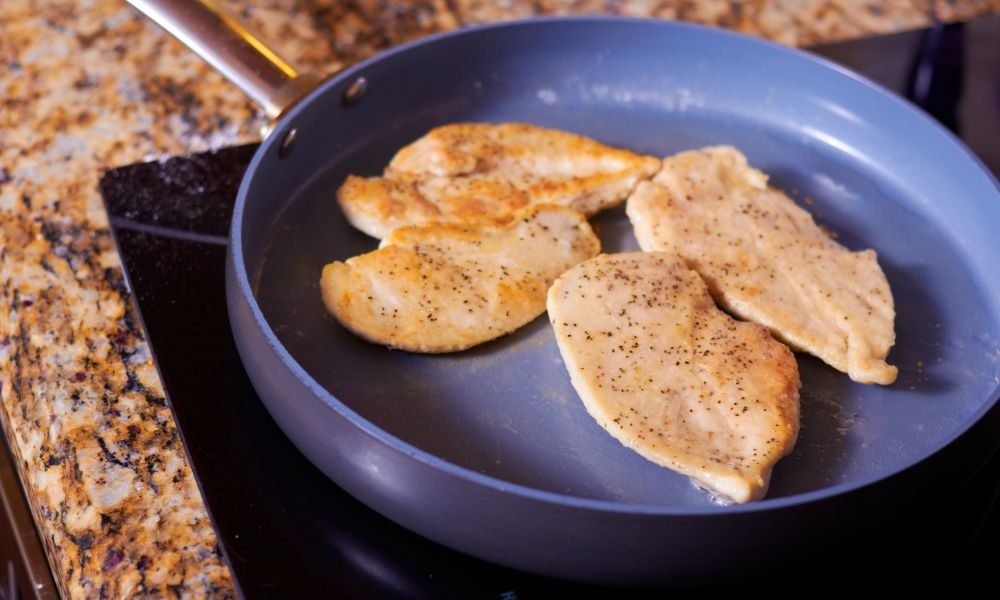
Chicken must be cooked to the right temperature to kill harmful bacteria. Cooking chicken to the right temperature ensures that any bacteria or viruses present in the chicken are destroyed. The recommended minimum internal temperature for cooked chicken is 165°F (74°C).
The internal temperature of the chicken should be measured using a meat thermometer to ensure that it has reached the recommended temperature.
Food Safety Considerations When Handling Chicken
Apart from cooking chicken to the right temperature, there are other food safety considerations when handling chicken. Here are some important food safety considerations when handling chicken:
Proper Storage
It is essential to store chicken properly to prevent the growth of harmful bacteria. Raw chicken should be stored at 40°F (4°C) or below to slow down the growth of bacteria. Store chicken in a sealed container on the bottom shelf of the refrigerator to prevent any drips from contaminating other foods.
Proper Handling
Proper handling of chicken is crucial to prevent cross-contamination. Cross-contamination occurs when bacteria from raw chicken come into contact with other foods. Always wash your hands with soap and water before and after handling chicken to prevent cross-contamination. Use separate cutting boards and utensils for raw chicken and other foods.
Proper Thawing
Proper thawing of chicken is crucial in preventing the growth of harmful bacteria. The recommended ways to thaw chicken are in the refrigerator, in cold water, or in the microwave. Avoid thawing chicken at room temperature, as this can promote the growth of bacteria.
Proper Cooking
Proper cooking of chicken is crucial in preventing foodborne illnesses. As mentioned earlier, the recommended minimum internal temperature for cooked chicken is 165°F (74°C). Use a meat thermometer to measure the internal temperature of the chicken.
Avoid Undercooked Chicken
Undercooked chicken can harbor harmful bacteria that can cause foodborne illnesses. Ensuring that chicken is cooked to the right temperature is essential to kill any bacteria present. Always check the internal temperature of the chicken using a meat thermometer to ensure it has reached the recommended temperature.
A Versatile and Healthy Roast Chicken Recipe

This recipe yields a low calorie, yet flavorful and succulent chicken breast. You can dice or shred the meat after cooking and use them to make sandwiches, wraps, and rolls. You can also serve it with steamed vegetables or brown rice for a light and healthy meal.
What You Will Need:
- 1 pound (4 whole) chicken breasts
- Olive oil
- Black pepper, paprika, parsley, and other seasonings of choice.
- Lemon juice
Preparation:
- Brine the chicken in warm water with salt for a few hours (or you can leave the chicken in the fridge overnight if you want to use it the next day).
- Rinse off the brine and pat dry with a kitchen towel.
- Brush the chicken breasts with the oil and sprinkle over a sufficient amount of seasoning. You can add a few squeezes of lemon juice as well for flavor and tenderizing the meat.
- Bake the breasts in a preheated oven (425F / 220C) for about 15-20 minutes, until they are cooked through inside and brown and crispy on the outside.
- Use a probe thermometer to make sure they are not raw on the inside. A properly cooked chicken will register 160-170F.
- After baking, let the chicken rest for 15 minutes. This will make sure the chicken remains soft and juicy.
Any Other Questions?
We will answer questions you may have about chicken breasts and their measurements.
01. What is a Chicken Breast Half?
Chickens come with two breasts, one on each side of the chest, over each rib cage. Each of those two sides is known as a chicken breast half.
02. What Does 8 Chicken Breasts Weigh?
8 chicken breasts will generally weigh around 2 pounds. However, this can differ slightly based on the weight of each breast.
03. How Can I Make Chicken Breast Cook Faster?
Cutting through a chicken breast, down its length will create two thinner breasts. This is known as a butterfly cut and will enable the chicken to cook much more quickly.
04. What is the Best Temperature to Safely Eat Chicken?
The FDA recommends cooking chicken to 165°F (74°C). Cook your chicken until it registers this temperature on a meat probe thermometer and the meat is no longer pink or translucent.
In Brief
Hopefully, this article will be useful to you and your culinary endeavors. Knowing the number of chicken breasts per pound makes it easier to scale recipes up and down to make them easier to prepare.
Now that you know how many chicken breasts in a pound you can meal prep and cook in bulk very easily, without any more lengthy calculations at the kitchen counter, or blind guesswork. With this newfound knowledge, go ahead and make yourself that chicken dinner!