

Find capers easily in the grocery store! Look in the condiment aisle near pickles and olives, or check the international section. Small and elusive, capers are essential for Mediterranean and Italian cooking.

Capers: Aisle Insights and Store Sections
When wandering the aisles of your local supermarket, capers – the small, green buds of the caper bush used as a garnish or flavoring in a variety of dishes – are typically nestled among the jars and containers of pickles and olives. They can, however, be a bit elusive. If not in the condiment aisle, a good bet is to check the international or Italian sections, where they often keep company with pasta sauces and sundried tomatoes.
In my days at the Boat Basin Cafe, capers were essential in adding a punch of briny flavor to classic dishes like chicken piccata or a zesty salmon with white wine sauce. Knowledge of where to find capers can save much-needed prep time during a busy kitchen rush.
Capers Hunt: Alternative Retail Outlets
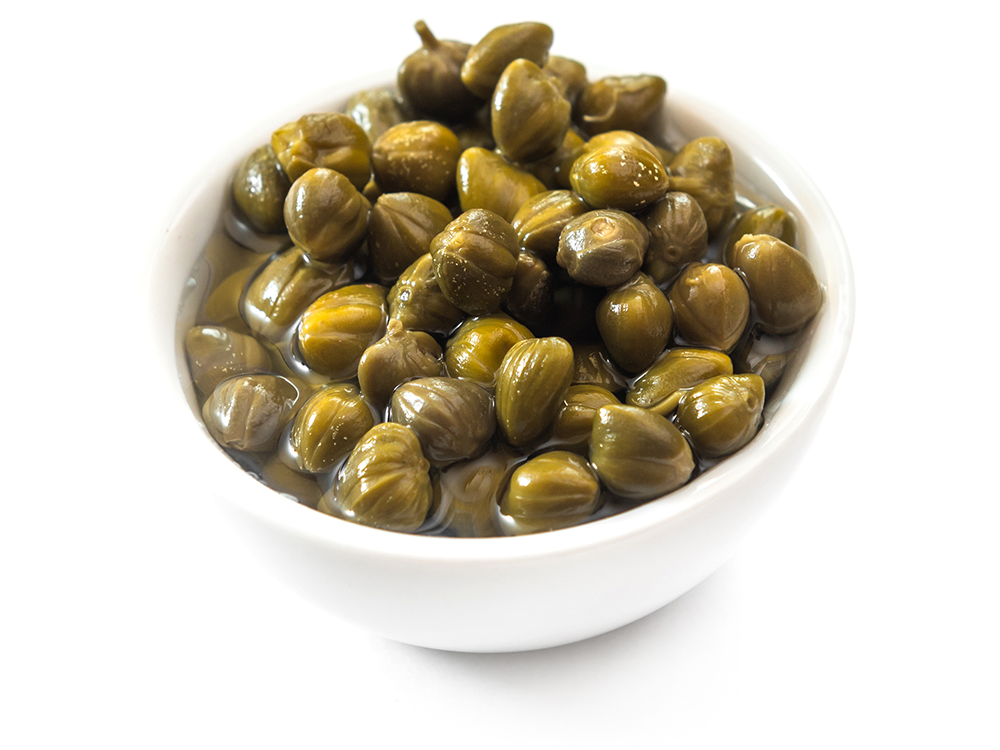
Beyond the grocery store, capers can be unearthed in various retail environments. Specialty stores, particularly those focusing on Mediterranean or Italian cuisine, tend to stock capers, sometimes offering a wider selection than your average grocer. These outlets might provide capers in different forms, such as salted, brined, or even dried, catering to a range of culinary needs.
Utilizing these alternative outlets can sometimes lead to discovering higher-quality capers that elevate dishes with a more potent, refined flavor—like the way an ideal grind can enhance the beans at a café, turning a good brew into an outstanding one.
Virtual Search: Finding Capers Online
In today’s digital age, buying groceries is no longer confined to brick-and-mortar stores. Digital platforms and online grocery services are a convenient way to source capers. Major retailers like Kroger offer options for both delivery and pickup, while specialty food merchants may provide a more curated choice for those looking for premium or organic capers.
One brand I like to use is Reese Non Pareil Capers, which you can find on Amazon here.
Online shopping offers the advantage of comparing brands and prices to find the best option for your cooking needs from the comfort of your own home, much like weighing the choice between a robust espresso and a smooth latte before placing an order at your favorite coffee spot.
Substitute Quest: Capers Alternatives
Sometimes, a dash to the store for capers isn’t in the cards, or you find the shelf distressingly bare. In these instances, an expert chef becomes inventive with substitutions to mimic the unique salty tang of capers. Options like chopped green olives, dill pickles, or even a small amount of tahini mixed with vinegar can emulate capers’ distinctive flavor profile in recipes like chicken piccata or a tartare sauce.
| Substitute | Best Used In | Flavor Profile |
|---|---|---|
| Green olives | Mediterranean dishes | Salty, vinegary touch |
| Dill pickles | Salads, Tartares | Crucial piquancy |
| Thyme + lemon zest | Sauces, Dressings | Herbaceous zing |
| Tahini + vinegar | Spreads, Dips | Tanginess with some creaminess |
Substitutes may not replicate the capers’ punch perfectly, but they can certainly save a dish in a pinch—a tactic I often employed in the bustle of the Boat Basin Cafe’s kitchen.
Preserving Quality: Storing Your Capers
| Caper Type | Storage Method | Expected Shelf Life |
|---|---|---|
| Brined | Refrigerated, in liquid | Up to 1 year |
| Salt-packed | Cool, dry, sealed container | Several months |
This attention to detail in storage can make the difference between a vibrant touch to your dishes and a lackluster addition, mirroring the care needed to preserve the nuanced flavors of gourmet coffee beans.
Incorporating Capers: Recipe Inspirations
Capers can be the star ingredient that elevates a dish from ordinary to gourmet with their briny depth and sharp aroma. They’re an integral component in classic dishes like chicken piccata, where they provide a pop of flavor against the rich notes of meat and white wine sauce. In salmon dishes, their tartness can cut through the fish’s oiliness, while a sprinkle of capers can elevate a simple pasta with garlic and olive oil.
For the adventurous cook, consider blending capers into a shallot and herb sauce as an accompaniment to roasted chicken, or stirring them into a cream base for a bold twist on traditional soups. Their versatility in the kitchen is much like that of a skilled barista crafting diverse coffee experiences using a single bean origin; each application explores a new dynamic of taste.
Shopping Strategies: Expert Shopper Tips
Becoming an efficient shopper, particularly when on the hunt for specialty items like capers, can save time and improve your overall store experience. Begin by familiarizing yourself with your local supermarket layout, taking note of the usual locations of niche ingredients. Don’t hesitate to ask store employees for help; they can often lead you directly to what you’re seeking. Check items like capers off your list first, allowing for a more focused shopping trip.
When capers play a crucial role in your dish, consider buying an extra jar to have on hand, ensuring you’re not caught short the next time culinary inspiration strikes. In essence, shop as you would gather ingredients for a complex coffee blend—meticulously and with attention to detail, ensuring each element is present and of high quality.
FAQs
What are capers and what do they taste like?
Capers are the unopened flower buds of the caper bush (Capparis spinosa), a plant native to the Mediterranean. They are typically pickled in vinegar or brined and have a tangy, lemony flavor profile with a subtle hint of floral sharpness. They are salty due to the brining process and often bring a burst of brightness to dishes.
What do you use capers for?
Capers are used for their bold flavor to add piquancy to a variety of dishes. They are often found in Mediterranean cooking, particularly Italian and Greek cuisine. Their most common uses include sauces like piccata or tartar, garnishes for seafood dishes, flavor boosters in pasta and salads, and even incorporated into condiments such as tapenade.
Do capers taste fishy?
No, capers do not have a fishy taste. They have a salty, tangy flavor with a slight lemony zest. Their association with fishy flavors might come from their frequent use in seafood dishes where they complement the rich flavors of fish.
Should you rinse capers before using?
Whether or not to rinse capers before use depends on your taste and the recipe. Rinsing capers can reduce their saltiness and vinegar tang, which could be desired if you’re looking to achieve a subtler caper flavor in your dish. However, for most uses, especially in sauces where the briny flavor is a focal point, rinsing is not necessary.