
Explore 16 practical methods to keep your food warm and delicious: Towels and Foil, Insulated Containers, Electric Blanket, Hot Bricks, Cooler, Oven, Chafing Dishes, Thermal Cooker, Crock Pot, Warm Plates, Rice Cooker, Towel-Wrapped Brick, Coffee Carafes, Iron Skillets, Foil Insulation, and Rice Socks.
The Importance of Keeping Food Warm
Serving warm food is key at any party or event. Warm food tastes better and is also safe to eat. Keeping food warm is important for any event. Here’s why.
Enhances the Taste of the meal🥘
Warm food tastes better than cold food. Warm food enhances the flavor and aroma, making the dish impressive and more appealing to the guests.
Warm food ensures perfect texture and consistency. This is great for avoiding dry or tough dishes.
Ensures Food Safety⛑️
Food safety is critical when serving food at a party. Keeping the food hot is key for Temperature control for food safety. The danger zone is between 40°F and 140°F.
Bacteria growth can happen rapidly here, causing food poisoning and other issues. Keeping the food warm moves it out of this risky zone. This is crucial for Preventing foodborne illnesses and ensuring Food safety.
Keeps Food Fresh
Keeping food warm helps it stay fresh and tasty for a longer time. When food sits at room temperature, it can get stale, dry, or less appealing fast.
Keeping the food warm with the correct Oven temperatures and Thermal insulation ensures it stays fresh and moist. By keeping the food hot, you maintain its freshness and appeal.
Provides a Better Guest Experience
Serving warm and fresh food elevates the Party experience for your People. They’ll enjoy their meals more, feeling both comfortable and satisfied.
This approach is key to succeeding in creating a welcoming atmosphere. It maximizes the Potential for guests to feel valued and appreciated.
Different Ways to Keep Food Warm🌤️
 Use Towels and Aluminum Foil
 Store Food in Insulated Containers/ Bags
 Use an Electric Blanket or a Heating Pad
 Use Hot Bricks or Hot Water Bottles
 Try Using a Cooler
 Place Food in the Oven at a Low Temperature
 Use Chafing Dishes or Warming Tray
 Keep Food in a Thermal Cooker
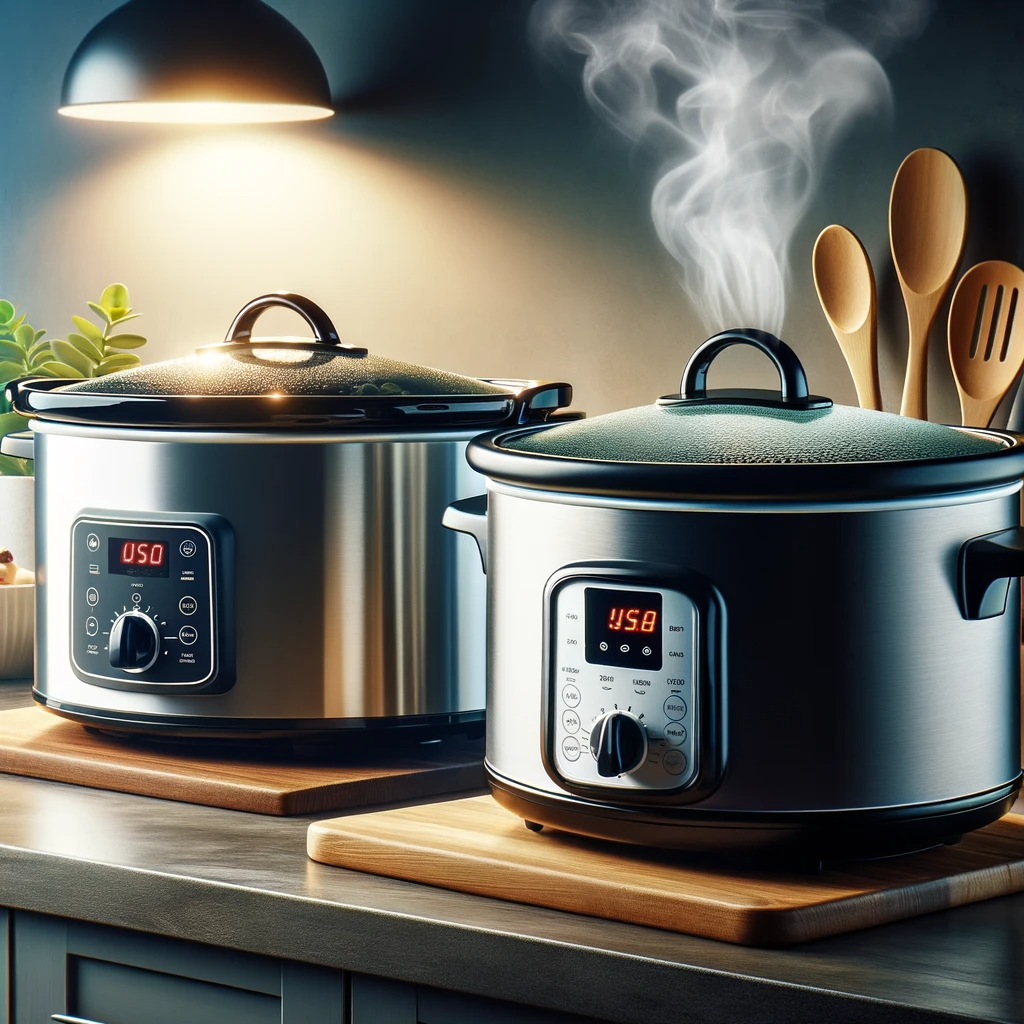 Use Crock Pot or Slow Cookers
 Warm the Serving Plates(using dishwasher)
 Use a Rice Cooker
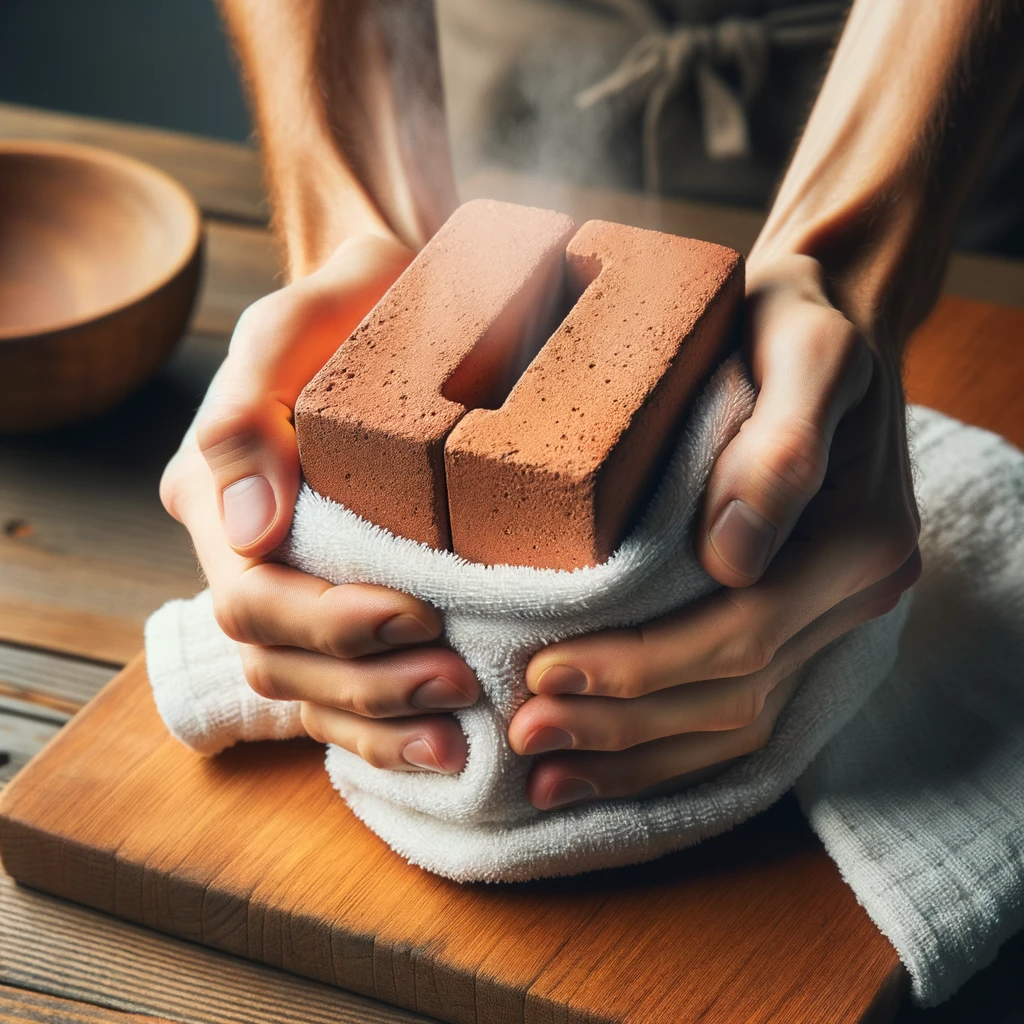 Towel-Wrapped Brick
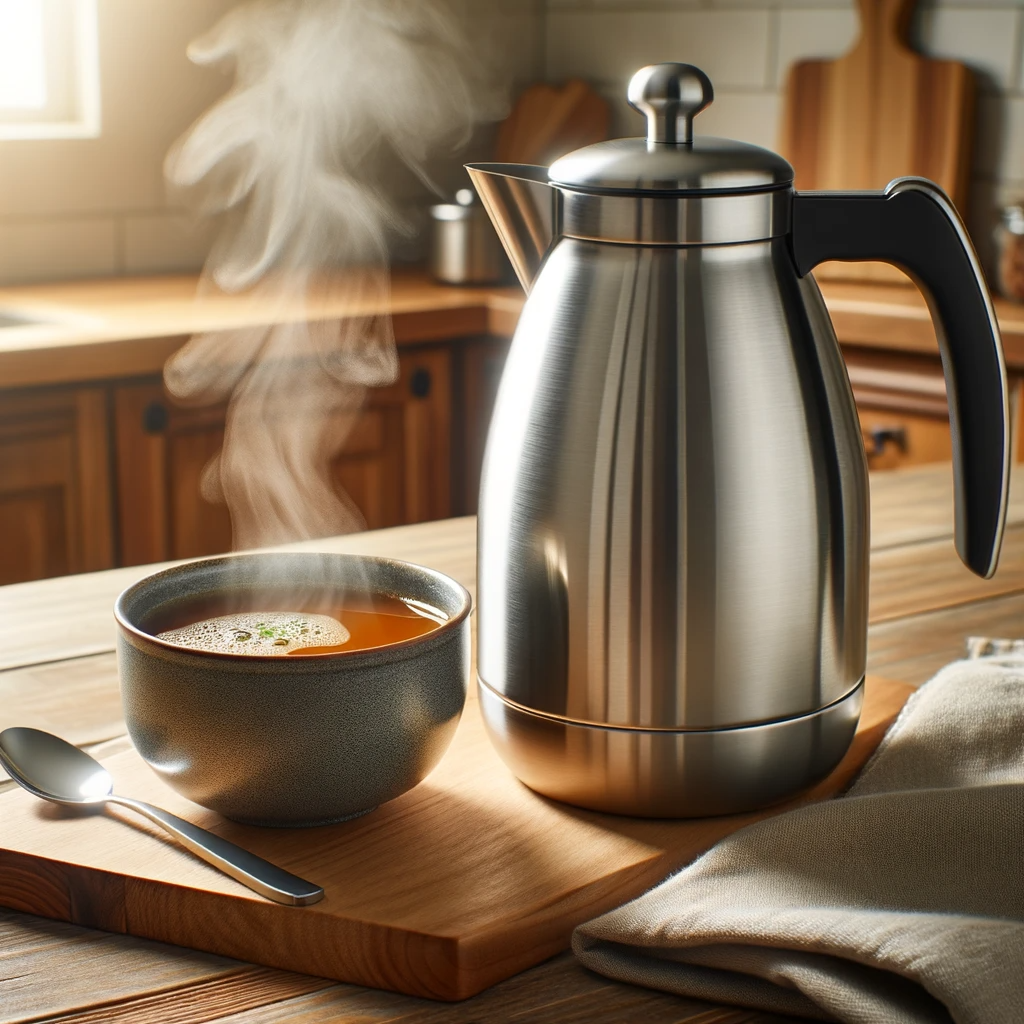 Thermal Coffee Carafes
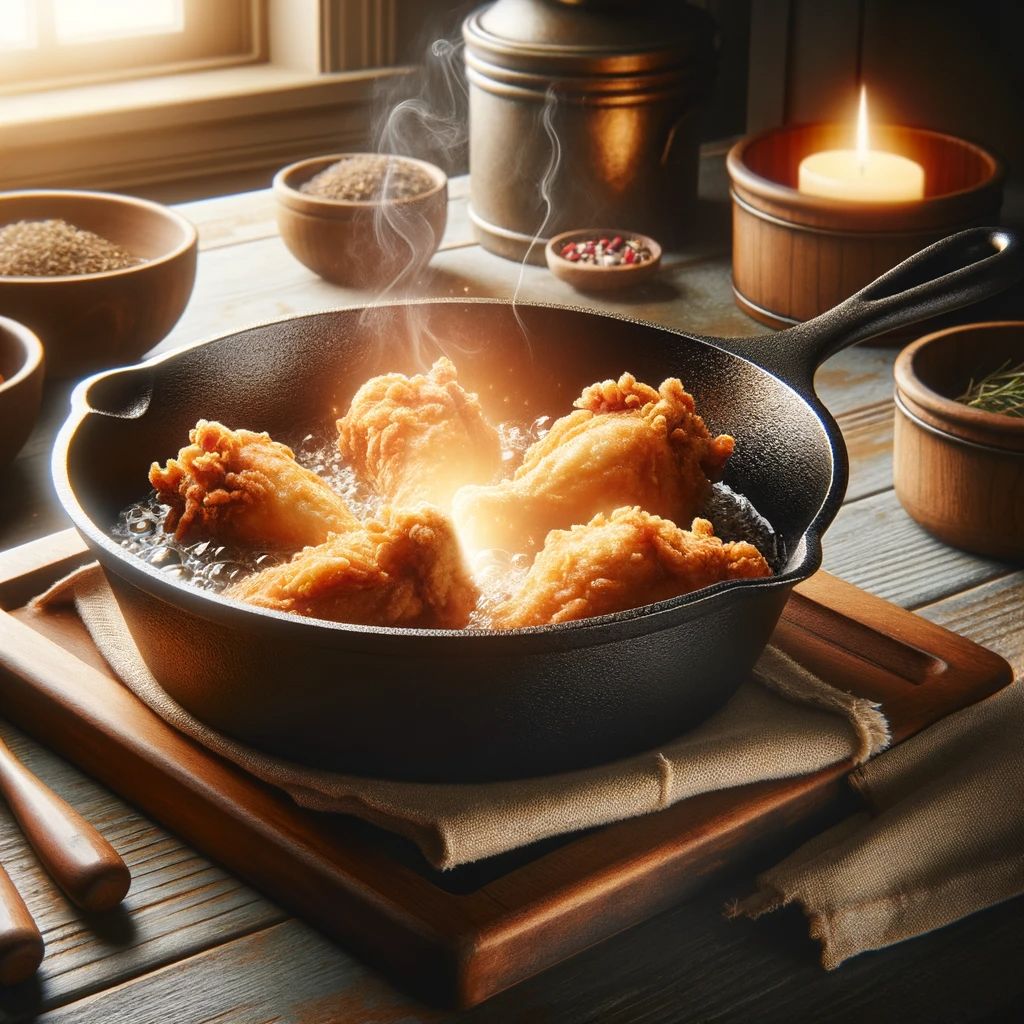 Iron Skillets or Pans
 DIY Foil Insulation
 Rice Socks
| Methods | Duration | Pros | Cons | Equipment Needed |
|---|---|---|---|---|
| Towels and Foil | 3-4 hours | Easy, inexpensive, retains moisture | Not suitable for crispy foods | Foil, Towels |
| Insulated Containers | Up to 5 hours | Long warmth retention, versatile | Can be expensive | Insulated Containers |
| Electric Blanket | 3-4 hours | Maintains a low, even heat | Dependent on power supply | Electric blanket or heating pad |
| Hot Bricks | Up to 8 hours | Maintains warmth for extended hours | Extra effort required | Oven-heated bricks or hot water bottles |
| Cooler | 4-6 hours | Keeps large quantities warm, portable | Not suitable for liquids | Cooler, foil, hot water bottles |
| Oven | 3-4 hours | Convenient if already in use, maintains even heat | May overcook if temperature not regulated properly | Oven |
| Chafing Dishes | Up to 6 hours | Ideal for buffet-style meals, keeps food visually appealing | Requires fuel gel or electric source | Chafing Dishes |
| Thermal Cooker | Up to 8 hours | Keeps whole meals warm for extended hours, portable | Higher initial cost | Thermal Cooker |
| Crock Pot | Up to 10 hours | Safe, can cook and keep the food warm | Requires a power source | Crock Pot or Slow Cooker |
| Warm Plates | 30 minutes | Enhances dining experience | Not suitable for foods meant to be served cold | Plates, Oven or microwave |
| Rice Cooker | Several Hours | Keeps the food warm and moist, practical | Limited to volume of the cooker | Rice Cooker |
| Towel-Wrapped Brick | Up to 2 hours | DIY, cheap, efficient | Requires pre-heating | Towel, Brick, Oven |
| Coffee Carafes | 4-6 hours | Ideal for liquids, non-electric | Limited to volume of the carafe | Thermal Coffee Carafe |
| Iron Skillets | 1 hour | Ideal for keeping fried foods warm | Can overcook if not regulated correctly | Iron Skillet |
| Foil Insulation | Up to 3 hours | Simple, DIY method | May not hold larger portions | Aluminum Foil |
| Rice Socks | 1-2 hours | Innovative method, also works as a DIY hand warmer | Suitable only for smaller portions or stackable foods | Clean Sock, Uncooked Rice, Microwave |
Use Towels and Aluminum Foil
How to Do It
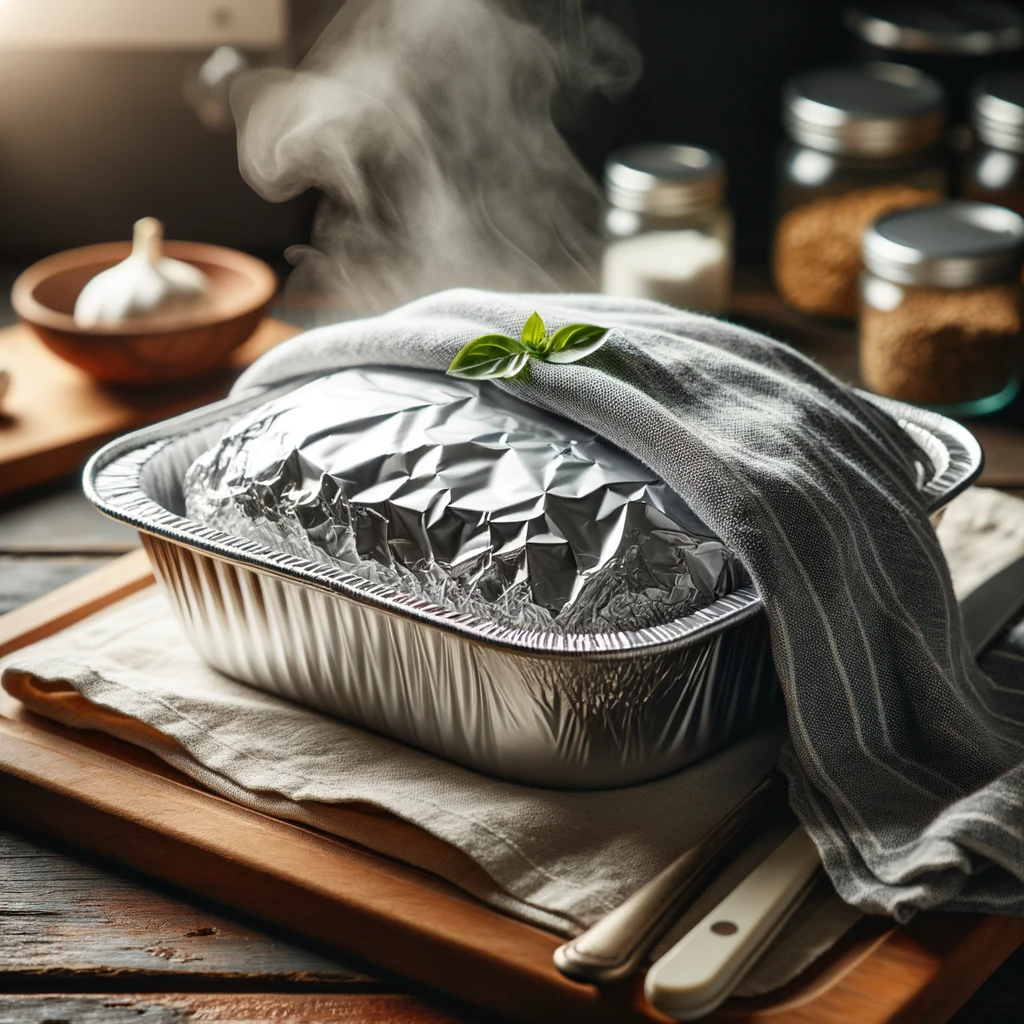
To keep food hot during a party, try to use a straightforward method: place the food in a container, cover it with Aluminium Foil, and then wrap it in a towel. Does foil keep food warm? It does.
How Long Can It Keep Warm?
The container and Aluminium Foil work together to contain steam and minimize heat loss. This strategy helps maintain your meal’s heat for a longer period. If you layer multiple sheets of foil, you’ll even boost the insulation. A wrapped meal can generally stay warm for 3-4 hours, depending on the initial temperature and the surrounding conditions.
Suitable for What Kind of Food?
This method works exceptionally well for foods that need to retain moisture, such as casseroles, roasted meats, and baked goods. It’s not recommended for crispy or fried foods, as the steam could make them soggy.
Additional Tips
Wrapping your meal in a towel further reduces heat loss due to conduction. Using one or two towels for thorough wrapping ensures the food stays hot even longer. Although Aluminium Foil and towels can work well independently, combining them achieves exceptional results.
When serving, carefully unwrap your meal from its towel and Foil coverings and serve it hot.
Store Food in Insulated Containers/ Bags
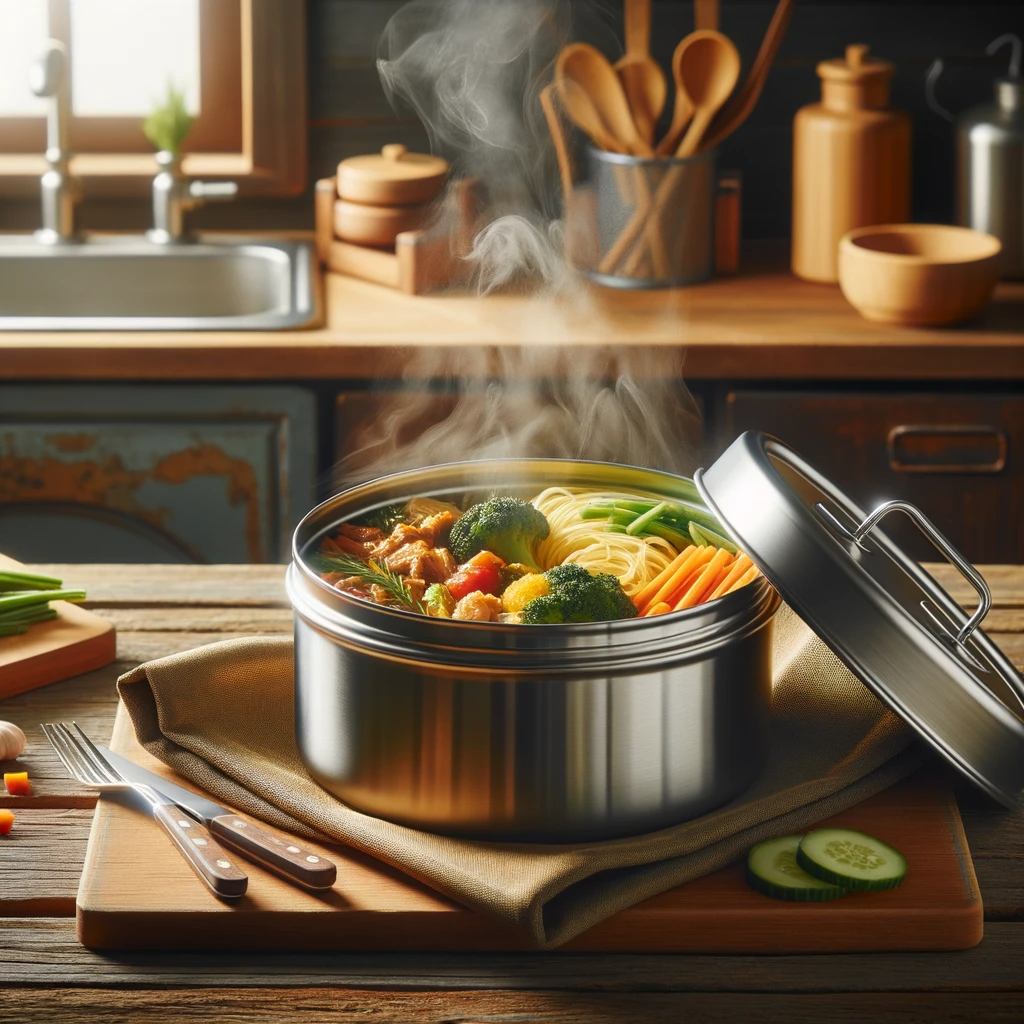
Insulated containers offer a fantastic way to maintain the warmth of your meals. With advancements in design, these containers have become more functional than ever.
Stainless steel versions stand out for their longevity and can retain heat for up to five hours, effectively Extending the lifespan of your warming drawer. Some even come with Warranty and guarantees, adding an extra layer of security to your investment.
How Long Will Food Stay Warm?
The standout feature of stainless steel insulated containers is their longevity. They can retain heat for up to five hours, effectively Extending the lifespan of your warming drawer.
Suitable for What Kinds of Food?
These containers are perfect for a variety of foods. Whether you’ve made a casserole, pasta, soup, or stew, these containers keep them warm and fresh.
On-the-Go Options: Insulated Bags for Travel and Packed Lunch
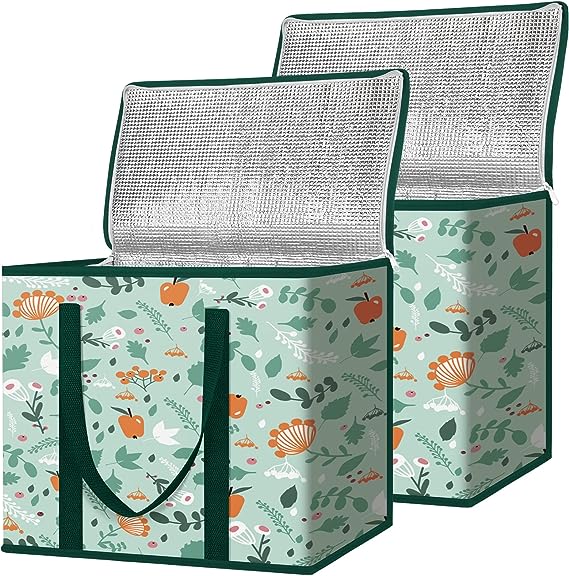
If you’re on the go, consider using an Insulated Bag. These bags offer effective Thermal insulation, reducing the heat transfer rate. They’re perfect for Traveling and keeping a Packed lunch warm in a Lunchbox or Bento.
Other Insulated Container Types
Depending on your needs, you can also opt for a Thermos or other types of insulated container. These offer similar heat retention benefits.
Use an Electric Blanket or a Heating Pad
A Heating Pad is an alternative you should consider, though it may not be as convenient as other methods. Electric blankets or heating pads can be plugged in or battery-operated, providing a warm surface for your food.
If you need a quick and effective way to keep your meal warm, try to use a heating pad. Place your meal in a metal or safe-to-warm container to make the most of this method, then set it on the activated heating pad.
It’s effective at maintaining food warmth for an extended period. This approach offers a low temperature, ensuring your food doesn’t continue to cook but stays at an optimal eating temperature.
How Long Will Food Stay Warm?
A heating pad can warm your food for up to three to four hours. The exact time can vary based on the heating pad’s power and the food’s initial temperature.
Suitable for What Kinds of Food?
This heating pad method is beneficial for keeping casseroles, baked dishes, and desserts like warm apple pie at an ideal temperature.
How to Do It?
- Preparation: Turn on the heating pad to make sure it’s warm.
- Container Selection: Place your meal in a metal or a container that’s safe to warm.
- Placement: Put the container on the activated heating pad.
- Temperature Check: Periodically use a thermometer to ensure your food stays at a safe temperature.
Alternative Options: Portable Mini Oven
If a wall plug is available, consider using a portable mini oven. This appliance is excellent for maintaining a stable temperature for an extended period.
Use Hot Bricks or Hot Water Bottles
Sometimes, more than the heat energy within the dish is needed to hold its warmth as long as you’d like. This is especially true for foods like hot pastries, which lack the density of a thick soup.
If you plan on keeping such items warm, you can try a neat trick to extend their warmth.
Consider adding specially designed heat conductors to your food setup. Hot water bottles and oven-heated bricks are often used for this purpose.
These items retain and slowly release heat, helping keep your food hot for an extended period.
How Long Will Food Stay Warm?
Using hot bricks or water bottles with other methods like aluminum foil and towels, you can keep your food hot for up to eight hours. However, be prepared to put in extra effort for this extended heat retention.
Suitable for What Kinds of Food?
This method is handy for less dense items that may lose heat quickly, such as pastries, finger foods, and even some lighter casseroles.
How to Do It?
- Heat the Bricks or Water Bottles: Place your bricks in the oven until they are hot, or fill your hot water bottles with boiling water.
- Wrap Them Up: Wrap your heated bricks or water bottles in aluminum foil and towels.
- Combine with Other Methods: Place these wrapped items next to your food, which should also be wrapped in aluminum foil and towels.
- Use a Cooler for Maximum Retention: Place everything in a cooler for extended heat retention.
Try Using a Cooler
How Long Will Food Stay Warm?
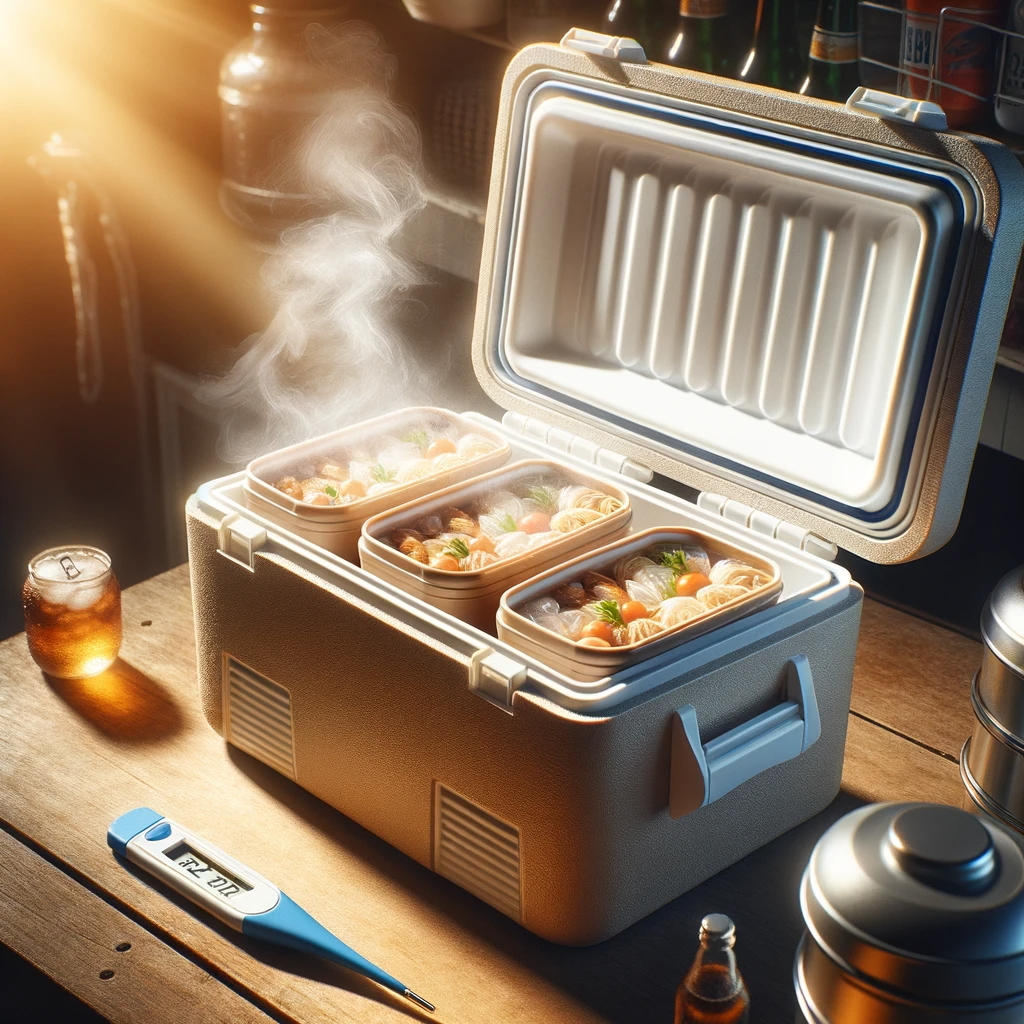
Cooler insulation traps heat, helping your food stay hot longer. Insulation stops heat from escaping when the cooler is filled with hot food. Proper insulation and hot water bottles allow your food to stay warm for up to 4-6 hours.
Suitable for What Kinds of Food?
This method is especially effective for solid foods like casseroles, baked goods, and grilled meats. Soups and liquids might require a more sealed container to prevent spills.
How to Do It?
- Wrap your food in foil and add hot water bottles to your cooler for extra warmth.
- Remove unused air space from your cooler; this helps your food stay hot.
- Preheat the cooler with hot water before placing your foil-wrapped food inside for best results.
- Then, add hot water bottles for extra heat retention.
Safety Precautions
Be careful; you don’t want the cooler’s plastic to melt. Always check your cooler’s temperature rating to contain hot items without melting or warping safely.
Serving the Food
When it’s time to serve, take the food out of the cooler for a fresh, hot meal your guests will love. You should serve your food on pre-warmed plates for extra flair and to keep things toasty.
Place Food in the Oven at a Low Temperature
How Long Will Food Stay in the Oven?
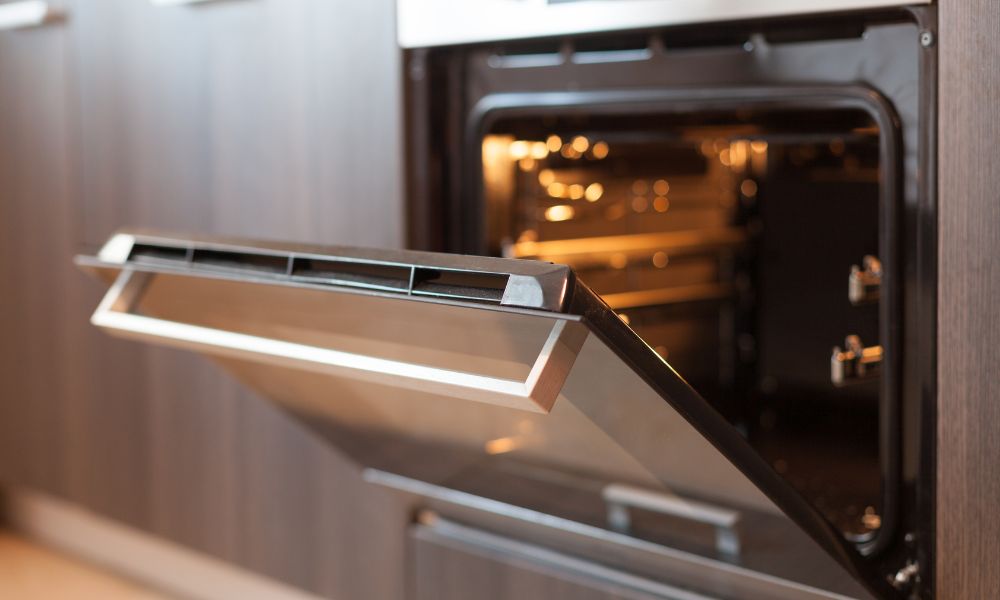
Your oven excels at retaining heat, making it a fantastic tool for keeping your dishes warm for hours. Usually, with a low oven temperature of around 200°F, you can maintain the warmth of your food for an extended period, often up to 3-4 hours.
What Kinds of Food Are Best for This Method?
This oven-based approach works wonders for baked dishes, casseroles, and roasts. Since the oven’s enclosed environment provides even heat distribution, you don’t have to worry about your dishes drying out or getting cold spots.
Optimal Oven Temperature
You might wonder what oven temperature will keep the food warm without overcooking it. A temperature of around 200°F should do the trick. This low heat will prevent further cooking, ensuring your dish remains at its peak flavor and texture.
Extra Benefits and Tips
Here’s an added perk: keeping your food in the oven frees up valuable counter space. Plus, it shields your meal from any flying pests. When it’s time to serve, effortlessly change the food from its baking dish to a serving platter.
Key Takeaway
If you’ve already used the oven to cook the dish, why not utilize it to maintain the food’s warmth until it’s time to dine? It’s a simple, effective way to keep everything hot and tasty.
Use Chafing Dishes or Warming Tray

How Long Can Chafing Dishes Keep Food Warm?
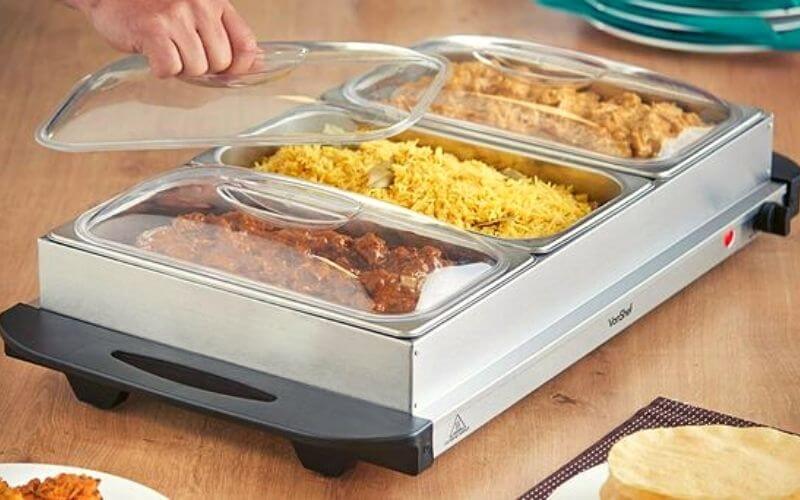
Chafing dishes are designed to keep food warm for extended periods, often up to 6 hours, making them ideal for events that last a while. Similarly, warming trays can maintain food temperature for several hours, ensuring your dishes remain hot and tasty throughout your party.
Ideal Food Types
These warming solutions are perfect for buffet-style meals, including pasta, stews, and casseroles. Whether catering a significant event or hosting a family gathering, chafing dishes, and warming trays offer versatile options for keeping a wide range of foods hot.
What Are Chafing Dishes?
Chafing Dishes – These are specialized trays that use water and a heat source to keep food warm. They are a staple in many restaurants, mainly buffet services. The metal dishes absorb and retain heat, ensuring your food stays warm for your guests.
Affordable and Efficient
Keeping your food warm with chafing dishes or warming trays doesn’t have to break the bank. Shopping around can lead you to affordable options that deliver excellent performance.
Additional Benefits and Tips
Besides keeping your food warm, chafing dishes also serve as elegant serving dishes. They allow you to display your meal beautifully, ready to serve when guests arrive. Furthermore, because your food is already cooked and ready, you’ll have less work when the party starts.
Maintenance and Safety
Proper cleaning of chafing dishes is crucial for maintaining their longevity and effectiveness. Many modern chafing dishes and warming trays have safety features to prevent overheating or other potential hazards.
Key Takeaway
If you’re pondering how to keep food hot at a buffet or a party, chafing dishes and warming trays are your go-to options. They are single-handedly capable of keeping your food hot, presentable, and safe for hours.
Keep Food in a Thermal Cooker
How Long Can a Thermal Cooker Keep Food Warm?
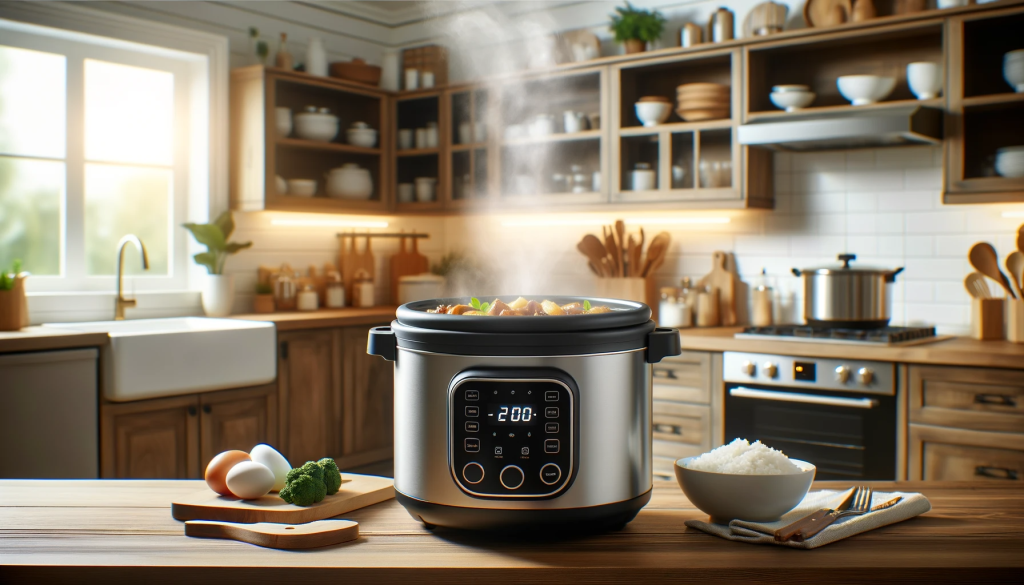
A thermal cooker can keep your food warm for up to 8 hours, making it an excellent choice for long car trips or outdoor activities. Its vacuum insulation locks in the heat, ensuring your meal stays hot for an extended period.
Suitable Foods for Thermal Cookers
Thermal cookers are excellent for meals like stews, casseroles, and even rice dishes. Their large size means they can accommodate more complex dishes, offering greater flexibility in what you can serve.
What is a Thermal Cooker?
A thermal cooker uses vacuum insulation technology similar to a thermos but is designed to hold whole meals. Unlike simple food warmers, it doesn’t require electricity, making it ideal for outdoor events or places where power access may change.
Advantages Over Thermoses
The main advantage of a thermal cooker over a thermos is its size. Because it’s bigger, it can hold whole meals, and the increased thermal mass means these meals can stay hot longer.
How to Succeed with a Thermal Cooker
To make the most out of your thermal cooker, preheat it before placing your cooked food inside. This step ensures that the cooker’s insulation is at its peak performance, keeping your food hot for as long as possible.
Key Takeaway
A thermal cooker is not just a large thermos; it’s a versatile kitchen tool that can keep whole meals hot for several hours. Whether you’re going on a long car trip or hosting an outdoor event, a thermal cooker can succeed where other methods might fall short.
Use Crock Pot or Slow Cookers
How Long Can Slow Cookers Keep Food Warm?
Slow cookers can keep your food warm for up to 10 hours, depending on the model and settings. This makes it a fantastic option for events that last a long time.
Suitable Foods for Slow Cookers
Slow cookers are versatile appliances perfect for a wide range of dishes. There are countless recipes, from soups and stews to pulled pork and casseroles. It’s an excellent tool for both beginner and seasoned kitchen workers.
What is a Slow Cooker?
A slow cooker, also known as a Crock Pot, is designed to cook food at a low temperature for an extended period. The lid traps moisture, preventing your food from drying out. It’s a great cooking tip to remember when planning your menu.
Food Safety with Slow Cookers
One of the best features of a Slow Cooker is its ability to keep food above 140°F, a safe temperature that prevents germ development. This means you can prepare your food to cook early and keep it warm for hours without worrying about spoilage.
Cooking Tips for Using Slow Cookers
For best results, always preheat your slow cooker before adding ingredients. Also, avoid lifting the lid frequently, which can allow heat to escape, affecting cooking times and temperatures.
Key Takeaway
Using a slow cooker is not just convenient but also safe. With its ability to keep food at a safe temperature for an extended period, it’s a reliable choice for parties or long events.
Warm the Serving Plates(using dishwasher)
How Long Will Plates Stay Warm?
Warming your plates can keep them hot for up to 30 minutes. This additional warmth can keep your food hot while you eat, making it a simple but effective way to enjoy your meal.
Suitable for What Types of Food?
Warming plates are best suited for meals that cool down quickly, such as pasta, steak, and casseroles. It’s not recommended for foods meant to be enjoyed cold, like salads or desserts.
Why Warm Your Plates?
Warming your serving plates is a tip often overlooked but highly effective. If you’ve ever dined at a high-end restaurant, you’ll notice that main courses are always served on warm plates. It’s a small detail that can make a big difference in your dining experience.
Methods to Warm Plates
You have a few options for warming your plates. One method is to place the dishes in a dishwasher set to drying mode. Alternatively, if you have oven-safe plates, you can warm them in a microwave, toaster oven, or oven. This technique allows the food to keep warm longer by absorbing heat from the plates.
Key Takeaway
Warming your serving plates is an excellent way to keep your food hot longer, enhancing the overall dining experience. Whether hosting a dinner party or enjoying a meal at home, it’s a tip worth incorporating.
Use a Rice Cooker
How Long Will a Rice Cooker Keep Food Warm?
Most rice cookers have a ‘keep warm’ function that can maintain your food’s temperature for several hours without drying it out.
Suitable for What Types of Food?
While designed primarily for rice, you can use a rice cooker to warm other foods like steamed vegetables, soups, and stews.
Why Use a Rice Cooker?
A rice cooker is not just for rice; it’s a versatile appliance that can keep your food warm and ready for serving. Its ‘keep warm’ feature offers a convenient way to maintain a hot meal, especially when you’re not ready to eat immediately.
How to Use a Rice Cooker for Keeping Food Warm
Once your food is cooked, switch the rice cooker to the ‘keep warm’ setting. Make sure the lid is closed to retain moisture and heat. This setting is handy when you have a delay between cooking and serving, ensuring your food remains at a palatable temperature.
Key Takeaway
Using a rice cooker’s ‘keep warm’ function is a practical way to keep various types of food warm for an extended period. Whether you’ve cooked rice, steamed veggies, or made a stew, this appliance ensures your meal stays warm until you’re ready to serve it.
Unconventional Methods to Keep Food Warm
01 Towel-Wrapped Brick
Towel-wrapped bricks are an efficient DIY method for food warming. Heat a brick in the oven and wrap it in a towel. Place it next to your food to keep it warm.
How Long Will Food Stay Warm?
A towel-wrapped brick can keep food warm for up to 2 hours.
Suitable for What Kinds of Food?
This technique is great for casseroles, stews, and other foods that retain heat well.
How to Do It?
- Heat a brick in the oven to a safe temperature.
- Wrap the hot brick in a towel.
- Place it next to the dish you want to keep warm.
02. Thermal Coffee Carafes
A thermal coffee carafe is a non-electric alternative for warming liquids like soups and stews.
How Long Will Food Stay Warm?
A thermal coffee carafe can keep liquids warm for 4-6 hours.
Suitable for What Kinds of Food?
Ideal for liquids like soups, stews, and even beverages like coffee and tea.
How to Do It?
- Preheat the carafe by filling it with hot water.
- Empty the hot water and fill the carafe with the liquid you want to keep warm.
- Seal the lid tightly to maintain the temperature.
03. Iron Skillets or Pans
Iron skillets are excellent for keeping fried foods like chicken warm due to their heat retention properties.
How Long Will Food Stay Warm?
An iron skillet can keep food warm for approximately 1 hour.
Suitable for What Kinds of Food?
This method is perfect for fried chicken or fried vegetable particles.
How to Do It?
- Preheat the skillet on low heat.
- Place the fried food in the skillet.
- Cover with a lid or aluminum foil to maintain the temperature.
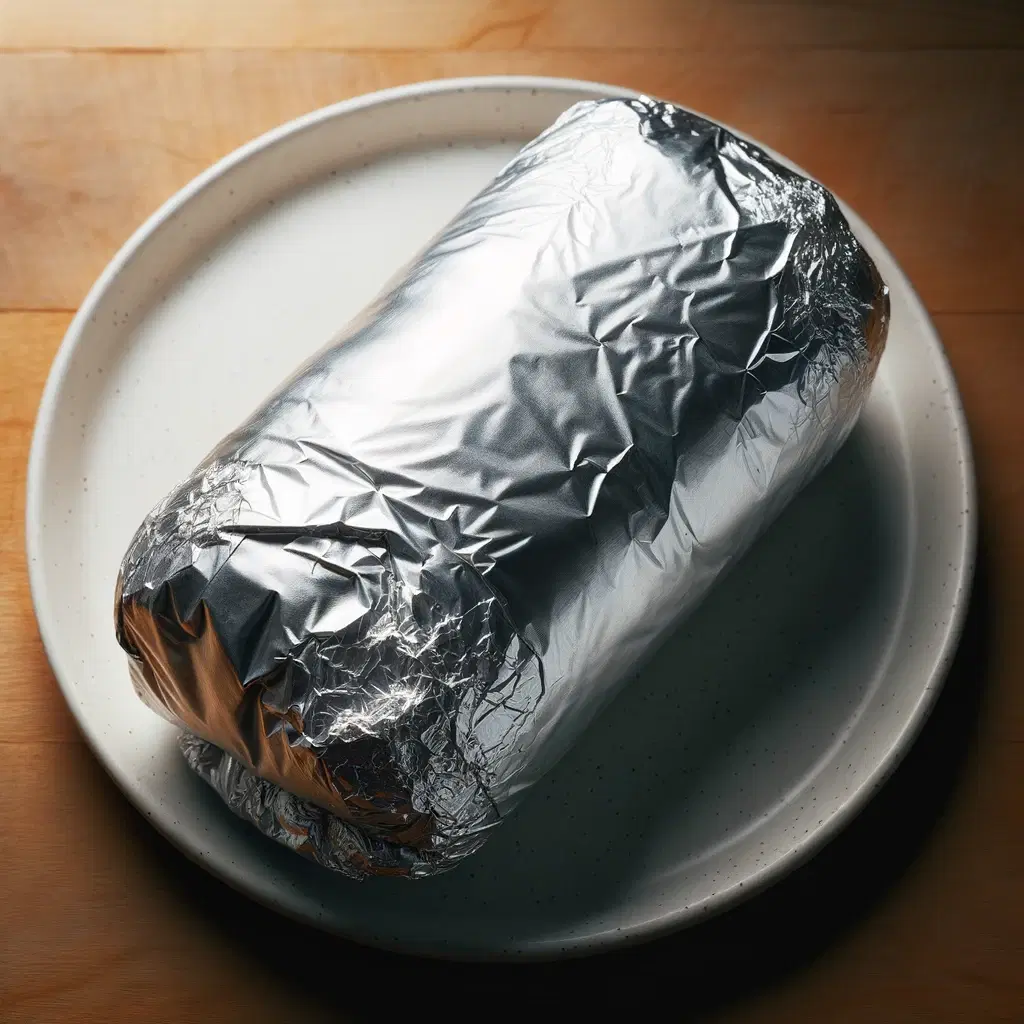
04. DIY Foil Insulation
DIY foil insulation is a simple yet effective method to keep food warm by wrapping it in multiple layers of aluminum foil.
How Long Will Food Stay Warm?
Using foil can keep food warm for up to 3 hours.
Suitable for What Kinds of Food?
This Do it yourself method is versatile and works well for nearly any type of food.
How to Do It?
- Wrap your food in multiple layers of aluminum foil.
- Place the foil-wrapped food in an insulated bag or container for extra warmth.
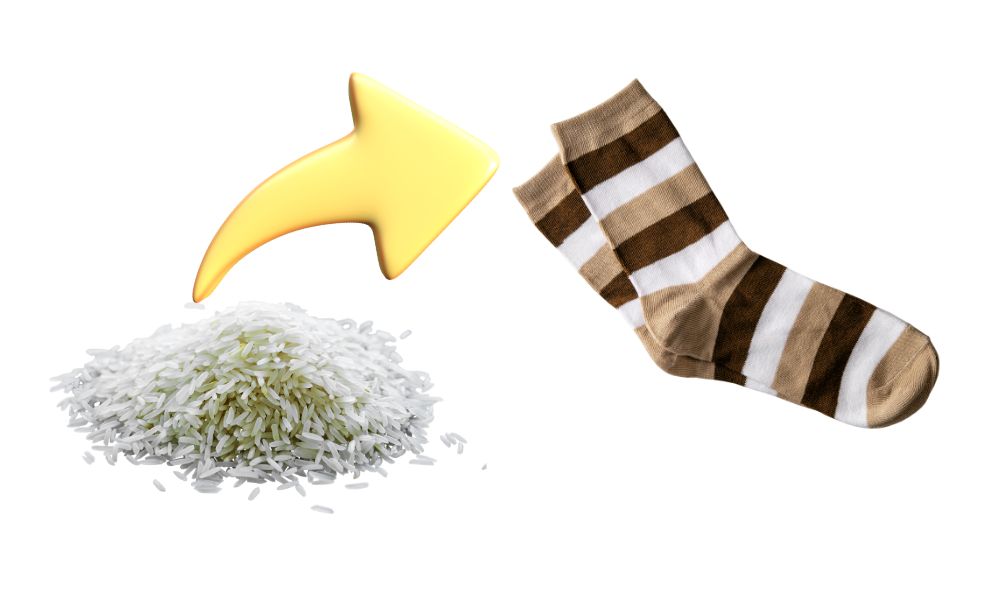
05. Rice Socks
Rice socks serve as an innovative method to keep your food warm. They work by retaining heat and gradually releasing it, ensuring your food remains hot for an extended period.
How Long Will Food Stay Warm?
You can keep your food hot for 1 to 2 hours, depending on the amount of rice and the sock size used.
Suitable for What Kinds of Food?
Rice socks are most effective for smaller portions and easily stackable foods, such as sandwiches or cookies.
How to Do It?
- Fill a clean sock with dry, uncooked rice.
- Tie the open end of the sock to seal the rice inside.
- Heat the rice sock in a microwave until it’s warm.
- Place the warm rice sock next to or on top of the food you want to keep hot.
Solutions Without Kitchen Appliances
Keeping Food Warm During a Power Outage
Power outages can happen unexpectedly, leaving you with the dilemma of how to keep your food warm. Don’t fret; there are Emergency food warming solutions available.
How Long Will Food Stay Warm?
Depending on the method, food can stay warm for 1 to 3 hours during a Power outage.
Suitable for What Kinds of Food?
These Emergency solutions work well for most types of food, ranging from casseroles to soups and stews.
Emergency Solutions
- Hot Water Bottles: If you need to warm your food, fill hot water bottles with boiling water and place them around your containers.
- Insulated Containers: Use insulated containers as an Emergency solution to keep your food warm for an extended period.
- Foil Wrapping: If you need a quick solution, wrap your food in foil, which will keep it warm for longer.
How to Do It?
- Foil and Insulated Containers: If you need a quick solution, wrap your food in foil and place it in an insulated container.
- Hot Water Bottles: Place hot water bottles around the food container for a more extended solution, ensuring maximum heat retention.
Camping Hacks for Warm Meals
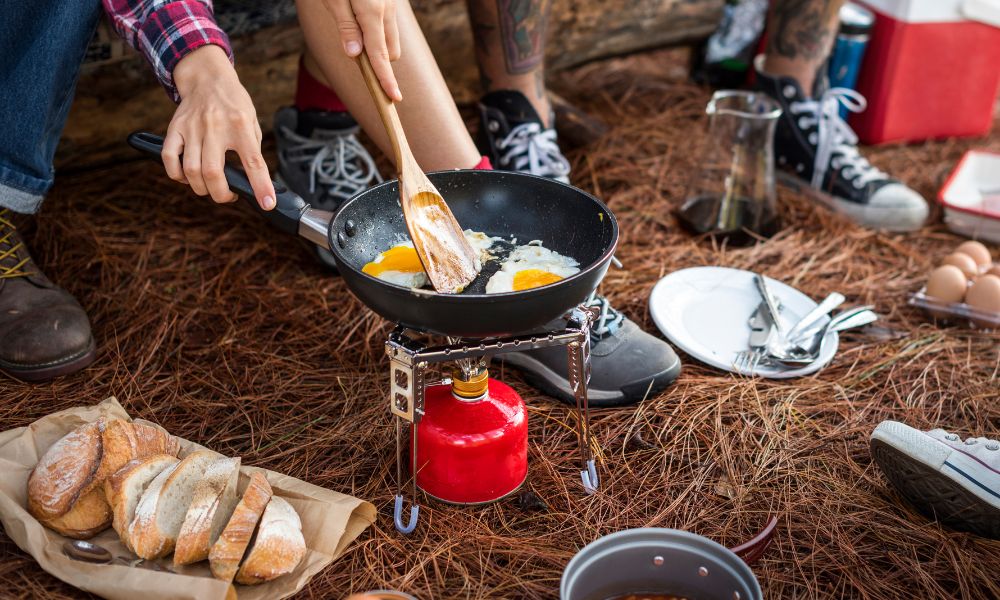
Going Camping or spending time Outdoor brings its own set of challenges for keeping food warm. Here are some Camping hacks for warm meals and Outdoor solutions for keeping food warm that you might find useful.
How Long Will Food Stay Warm?
When Camping, food can stay warm anywhere from 30 minutes to 2 hours, depending on the method used.
Suitable for What Kinds of Food?
These Outdoor hacks are great for solid foods like burgers, sausages, and baked beans. Yes, Bean dishes work well too!
Camping Hacks
- Hot Coals: If you’ve got a campfire going, place a pot of food on some hot coals. It’s a simple Work but effective Diagram for keeping food warm.
- DIY Aluminum Foil Pouch: Given aluminum’s high thermal conductivity, make a pouch out of aluminum foil and place your food inside.
How to Do It?
- Hot Coals: Place a grate over the hot coals and set your pot on top. This works well for foods like soups and stews.
- DIY Aluminum Foil Pouch: Take a sheet of aluminum foil, place your food in the center, and fold the edges to create a sealed pouch. Place the pouch near the campfire but not directly in the flames.
Equipment Maintenance and Safety
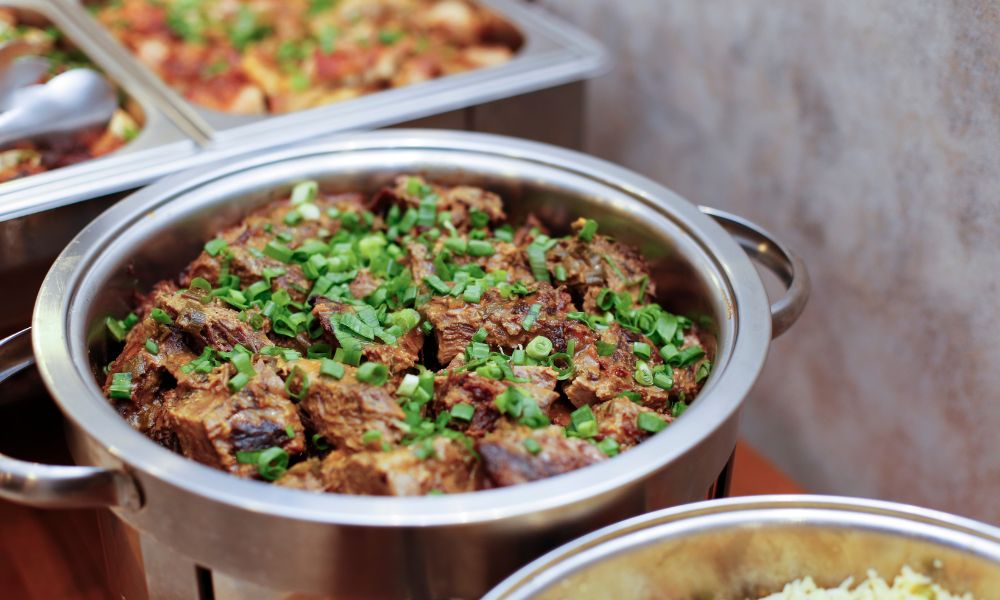
Proper Cleaning of Chafing Dishes
Chafing dishes are a staple in many catering events and buffet setups. However, it’s essential to clean them properly to ensure both food safety and the longevity of the equipment. Here are some tips for the Proper cleaning of chafing dishes.
Cleaning Steps:
- Initial Rinse: Remove all the remaining food particles. This is a crucial step before the Worker begins the main cleaning process.
- Soap and Scrub: Use a mild detergent and a non-abrasive scrub to clean the surfaces. It’s like the Nuclear power plant of your chafing dish—everything depends on this step being executed correctly.
- Rinse and Sanitize: Rinse off the soap and apply a food-safe sanitizer. This step ensures that you’ve settled all possible food safety issues.
- Dry and Store: Once cleaned, dry the chafing dishes entirely before storing them. Proper drying prevents the growth of bacteria and other harmful organisms.
Safety Features
Modern chafing dishes come with various Safety features to help you avoid accidents. These may include secure lids, cool-touch handles, and even temperature regulators. Always read the manufacturer’s guidelines to understand these features entirely.
Safety Features in Modern Slow Cookers
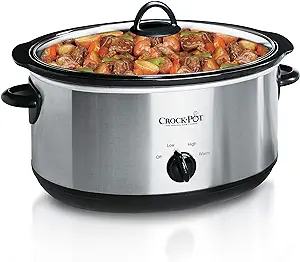
Modern slow cookers are not just convenient; they are also designed with safety in mind. Here are some key Safety features to look out for when choosing a slow cooker.
Auto Shut-Off and Timer
Many modern slow cookers come with an auto shut-off feature and a timer. This helps to prevent food from overcooking and becoming a safety hazard.
Cool-Touch Handles
To avoid burns, look for slow cookers with cool-touch handles. They remain safe to touch, even when the cooker operates at high temperatures.
Locking Lids
Some models offer locking lids, which are great for transporting your culinary creations without the risk of spills or burns.
Temperature Control
Advanced slow cookers offer precise temperature control. This feature allows you to set the cooker to the ideal temperature, ensuring your food is delicious and safe.
HACCP – Hazard Analysis and Critical Control Points
Regarding food safety, many professional kitchens follow the HACCP system—a systematic approach to identifying and controlling food safety hazards. While your home kitchen may not require such rigorous protocols, knowing about them can add more safety to your food preparation.
Food Safety and Temperature Guidelines
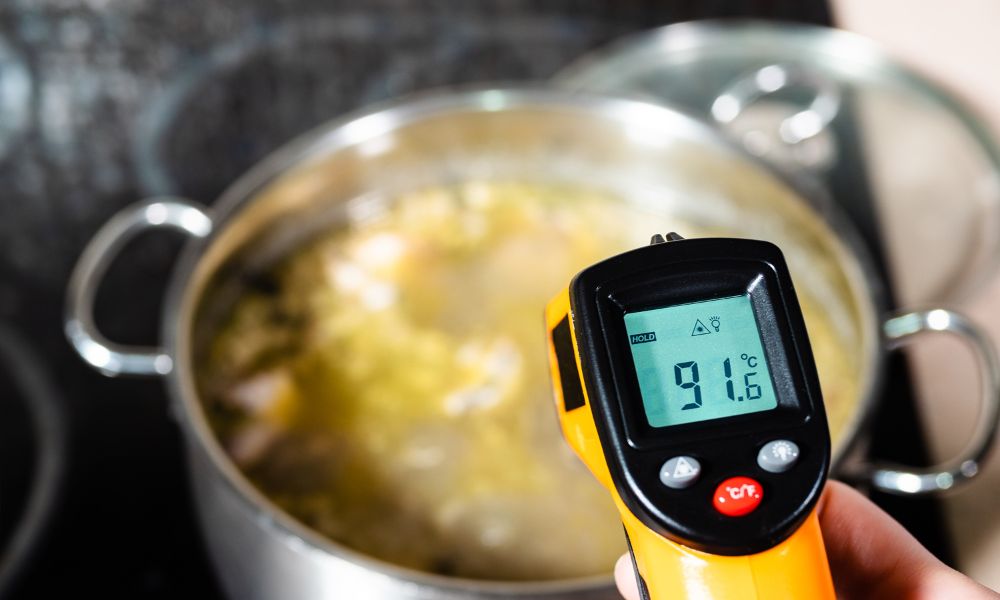
Importance of Keeping Food at a Safe Temperature
When it comes to serving and storing meals, maintaining a safe temperature is crucial. Here’s why:
Prevention of Foodborne Illnesses
Keeping food at the right temperature prevents the growth of harmful bacteria, significantly reducing the risk of foodborne illnesses.
Maintaining Food Quality
Besides safety concerns, temperature affects the texture, flavor, and overall food quality. Cold food should stay cold, and hot food should stay hot to preserve its intended taste and texture.
FDA Guidelines
The FDA provides guidelines for food safety, including minimum internal temperatures for various types of meat. Always refer to these guidelines when cooking and storing food.
Using a Food Thermometer
A food thermometer is one of the most reliable ways to ensure food is at a safe temperature. This tool can accurately measure the internal temperature of your dishes, ensuring they meet FDA guidelines for food safety.
By adhering to these practices, you ensure the food is safe to consume and maintain its quality, making your meal an overall success.
Seasonal Challenges in Keeping Food Warm
Winter Challenges in Food Warming
The winter season has unique challenges for keeping food warm, especially for events like tailgate parties or outdoor gatherings. Here’s how to overcome these hurdles:
Battling the Elements
The cold isn’t the only thing you’ll be fighting. Wind can quickly dissipate heat, leaving your food colder faster. Consider wind-proofing your outdoor buffet to maintain food temperature.
School Meal Challenges
Keeping food warm for school meals can be particularly tough in winter. Thermal containers and insulated bags are often the go-to solutions.
Insulation
Effective insulation is the key to combating winter’s chill. Use thermal blankets, hot water bottles, and wind barriers to keep the heat and cold out.
Outdoor Challenges
If you’re dining outdoors, you’ll need to account for the temperature, wind speed, and humidity, all of which can cool your food rapidly.
Tailgate Party Tips
For a successful tailgate party, consider portable heating elements and thermal containers to keep your food hot longer.
By considering these factors, you’ll be well-equipped to face the winter challenges in food warming and ensure that your food remains hot and delicious despite the frigid conditions.
How Humidity Affects Food Temperature
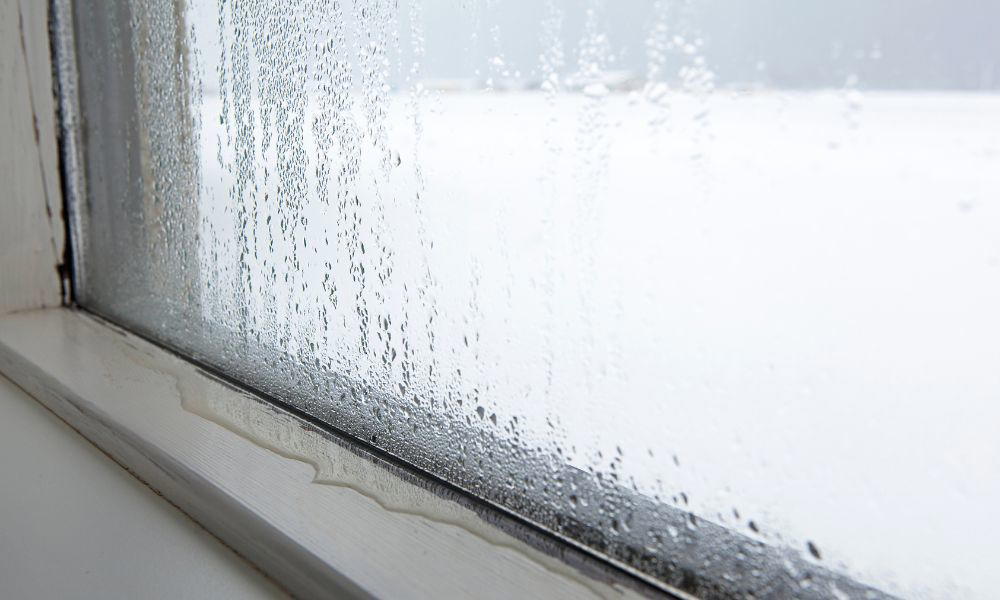
Humidity can have a surprising impact on how well your food retains heat. Here’s how:
Moisture Retention
High humidity levels help keep your food moist. However, the moisture in the air can also make it feel less hot than it is.
Particle Interaction
On a particle level, higher humidity can mean more water molecules in the air, which could potentially absorb some of the heat from your food.
Temperature Perception
Interestingly, the humidity in the air can change how the temperature of the food is perceived. Your food might be at the desired temperature, but the humidity can make it feel hotter or cooler to the touch and taste.
Preservation Challenges
High humidity can be a problem for foods that need to stay crisp. The extra moisture in the air can lead to sogginess.
Angstrom-Level Effects
On an angstrom level, humidity can interfere with the molecular structure of certain foods, which can, in turn, affect their temperature retention capabilities.
Settling and Separation
In high humidity, particles in sauces or gravies may settle differently, affecting the food’s texture and temperature.
Understanding how humidity affects food temperature can help you make better food storage and serving decisions, ensuring that every bite is as good as you intend.
Outdoor Solutions for Keeping Food Warm
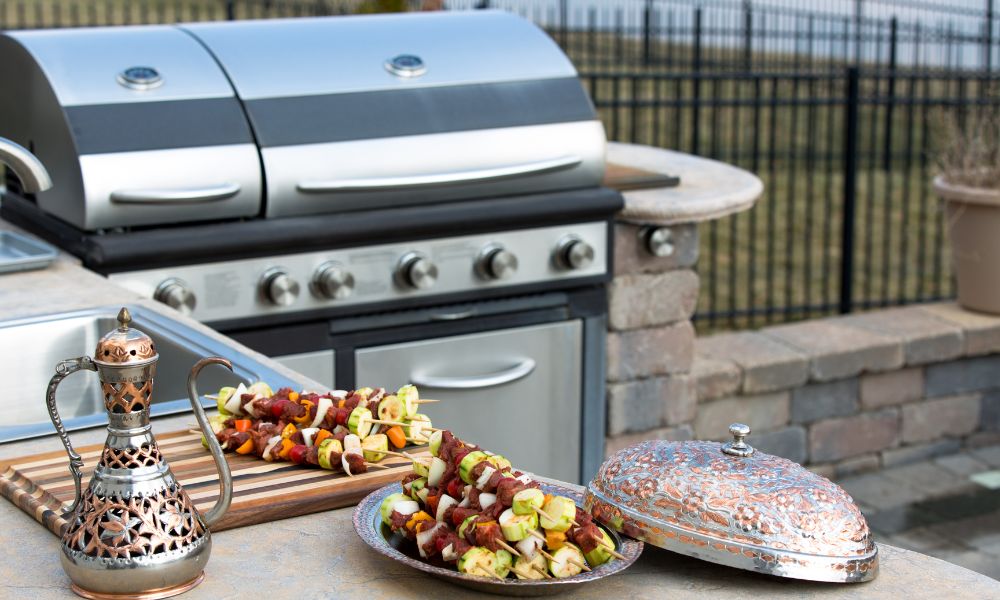
When hosting an outdoor event, keeping food warm becomes a unique challenge. Here are some practical solutions tailored for the great outdoors:
Tailgate Party Heroes
Consider bringing a portable grill or a propane stove for your next tailgate party. These items are excellent for keeping food warm and even doing some last-minute cooking.
School Meal Solutions
Insulated containers can be a lifesaver if you’re in charge of a school meal event outdoors. They can keep food hot for hours and are easy to transport.
Wind Barriers
One overlooked aspect of outdoor food warming is the wind. Wind barriers around your food setup can help retain heat and keep food at the desired temperature.
Multi-Layer Insulation
Using foil, towels, and thermal bags can offer excellent insulation. This tactic works great for picnics or any other outdoor events.
Pre-heated Stones
If you’re out camping or far from power sources, heating some stones on fire and placing them around the food containers can effectively keep meals warm.
By applying these outdoor solutions for keeping food warm, you can ensure that everyone enjoys their meal just as much as if sitting in a cozy indoor dining room. Whether it’s a tailgate, a school event, or a family picnic, these strategies have got you covered.
Summer Tips for Food Safety and Warmth
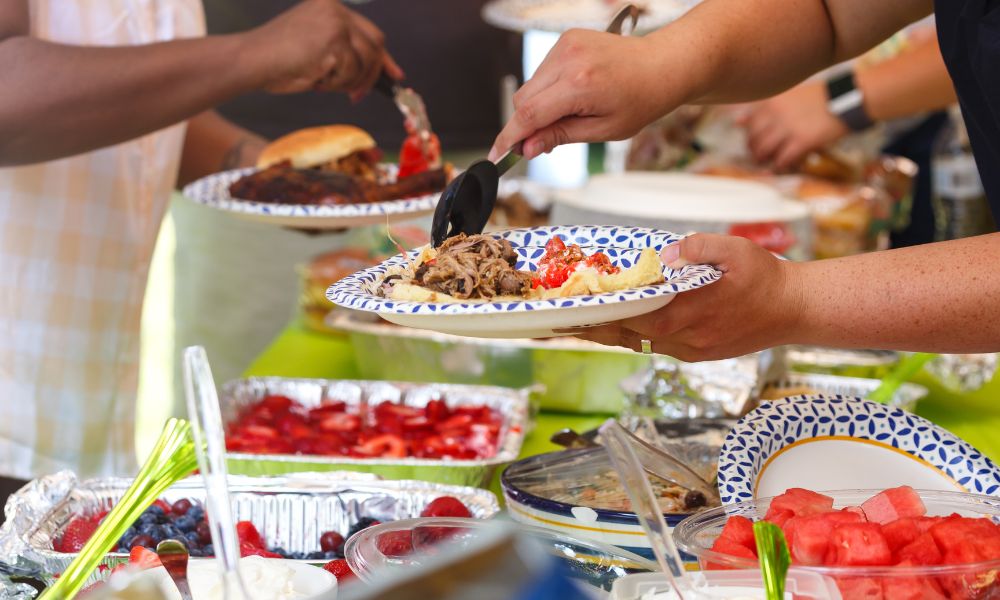
Summer comes with its challenges regarding keeping food warm and safe. Here’s how you can beat the heat and ensure a tasty, safe meal:
Beware the Sun
The sun can be both an enemy and a friend. While it can help keep food warm, direct sunlight can also create a breeding ground for bacteria. Always keep food covered and try to place it in a shaded area.
Safety Measures
Safety in the summer goes beyond just keeping food warm. Ensure you’re also protecting it from contaminants like insects and dust. Use netted food covers or sealed containers for this purpose.
Hydration is Key
In the summer, foods can dry out quickly, especially if uncovered. Keep some water or broth handy to maintain the food’s moisture levels.
Cooling Stations
Consider setting up a cooling station near the food area where people can get cold drinks. This helps in two ways: it keeps the crowd away from the hot food, maintains its temperature, and ensures everyone stays hydrated.
Thermal Insulated Containers
Using thermal insulated containers can keep your food hot for extended periods, even in the heat of summer. These are particularly useful for picnics or beach outings.
By following these summer tips for food safety and warmth, you can ensure that your summer gatherings are both fun and food-safe. With some planning, the summer heat will be good for your delicious meals.
Recommended Cooking Temperatures
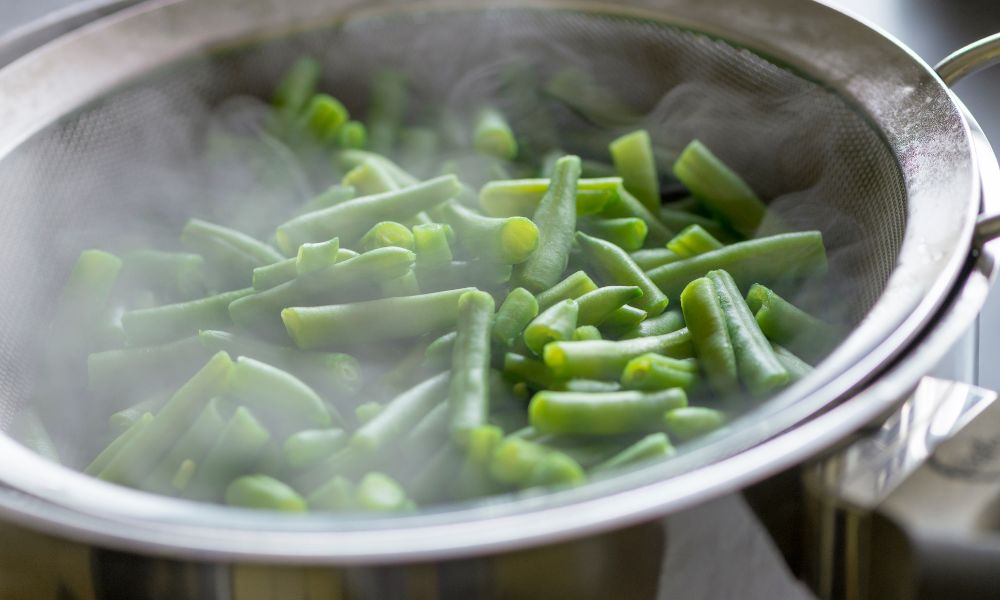
Different types of food require specific cooking temperatures to ensure that they are safe to eat. Here are some recommended cooking temperatures for various types of food:
| Food | Minimum Safe Internal Temperature |
|---|---|
| Beef, pork, lamb, and veal (steaks, roasts, and chops) | 145°F (63°C) |
| Ground meats (beef, pork, lamb, and veal) | 160°F (71°C) |
| Poultry (chicken, turkey, duck) | 165°F (74°C) |
| Fish and shellfish | 145°F (63°C) or until opaque and flakes easily with a fork |
| Eggs (when cooked in dishes such as quiches or casseroles) | 160°F (71°C) |
Remember to use a food thermometer to ensure that the food has reached the recommended temperature, especially for larger cuts of meat such as roasts or whole chickens.
Safe Storage Temperatures
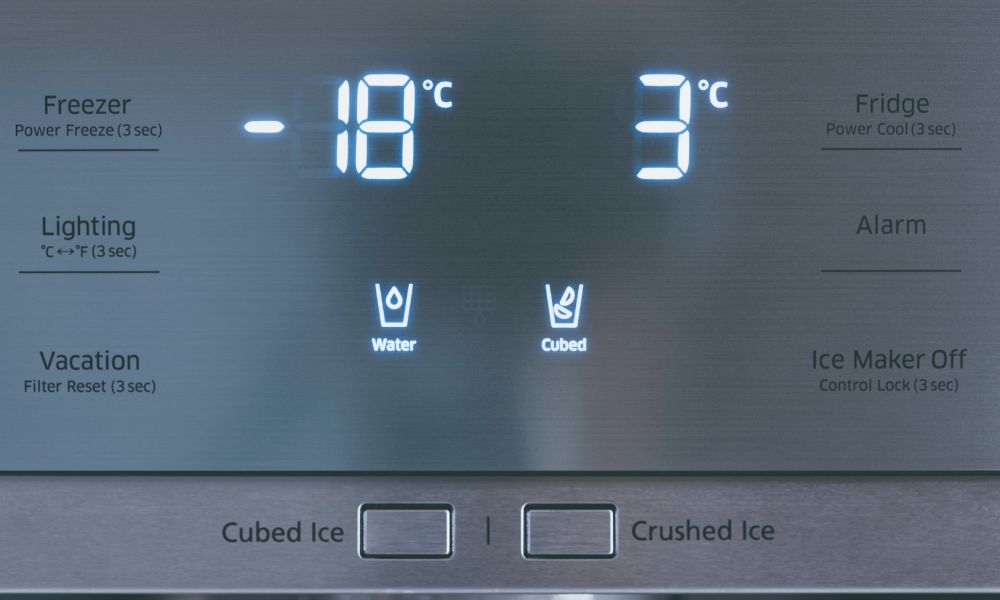
Proper storage of food is just as important as proper cooking temperatures. Here are some recommended storage temperatures for different types of food:
| Food | Safe Storage Temperature | Shelf Life |
|---|---|---|
| Meat, poultry, and seafood | Refrigerator at 40°F (4°C) or below | Consume within a few days |
| Dairy products (milk, cheese, yogurt) | Refrigerator at 40°F (4°C) or below | Check “best by” date |
| Fruits and vegetables | Refrigerator at 40°F (4°C) or below, or in a cool, dry place | Check for freshness |
| Leftovers | Refrigerator at 40°F (4°C) or below | Consume within 3-4 days |
It’s essential to ensure your refrigerator is set to the correct temperature of 40°F (4°C) or below to keep food fresh and safe. The temperature in your refrigerator should be checked regularly, and any food left at room temperature for more than two hours should be discarded.
Additionally, it’s essential to check the “best by” date on dairy products and to consume leftovers within 3-4 days to prevent the growth of harmful bacteria.
Cost-Effectiveness of Warming Methods
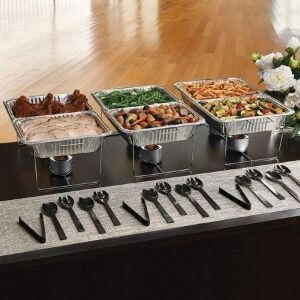
Regarding keeping food warm, not all methods are created equal—especially concerning your budget. Whether hosting a large gathering or a small family dinner, it’s essential to consider the cost of keeping your food at the right temperature.
Budget-Friendly Food Warming Options
Aluminum Foil
This classic budget-friendly food warming option is as effective as it is affordable. A roll of aluminum foil can cost just a few dollars and can be used in various ways, from wrapping individual items to covering larger trays.
Tea Lights and Ceramic Plates
If you’re looking for an elegant yet budget-conscious choice, tea lights under ceramic plates can do the trick. This option is perfect for smaller gatherings and can easily be scaled up for larger events.
Crockpots and Slow Cookers
Though the initial investment may be higher, the return on investment for warming trays like crockpots and slow cookers is significant. These versatile appliances can be used for various meals, making them a cost-effective option in the long run.
DIY Chafing Dishes
With some creativity, you can create your chafing dishes using aluminum pans and canned heat. This more budget-friendly version mimics the effectiveness of traditional chafing dishes at a fraction of the price.
Cost Analysis
Conducting a cost analysis of chafing dishes versus other methods can help you decide the most cost-effective method for your needs. Always consider the upfront cost and the long-term ROI (Return on Investment).
By considering these budget-friendly options, you can make an informed decision that keeps your food warm and doesn’t burn a hole in your wallet.
Cost Analysis of Chafing Dishes
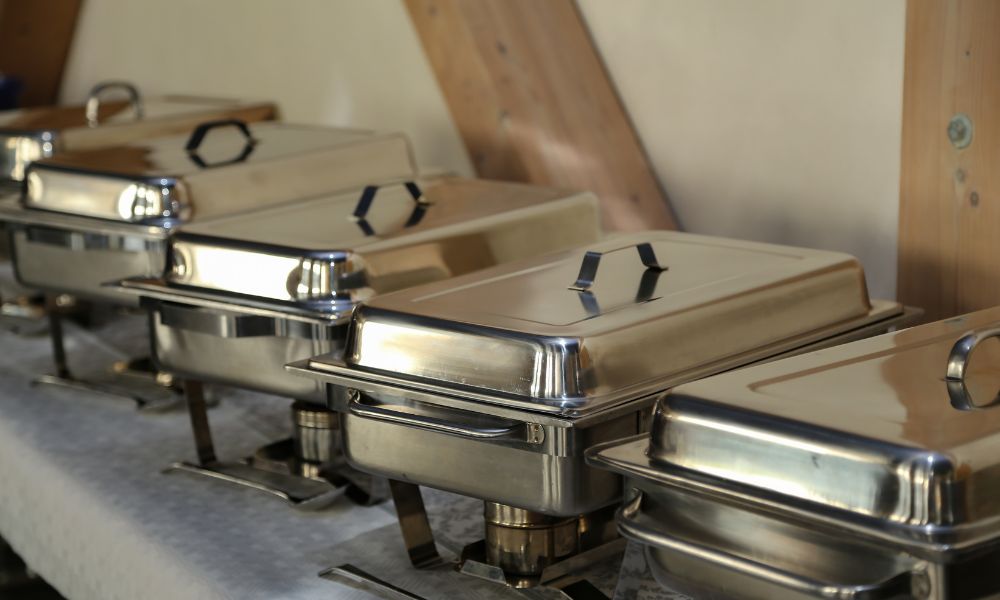
Chafing dishes are a popular choice when it comes to keeping large quantities of food warm for extended periods. But how do they stack up regarding investment and ROI (Return on Investment)?
Initial Costs
Chafing dishes can range from affordable to high-end models. The cost can vary depending on the material, size, and additional features like adjustable heat settings.
Operating Costs
Remember to factor in the cost of fuel canisters needed to keep the chafing dishes warm. While these are generally inexpensive, they can add up over time, especially if you host events frequently.
Maintenance and Longevity
Chafing dishes are generally low-maintenance and can last for years if properly cared for, providing a good ROI in the long term.
Affordable Alternatives to Electric Warmers
If a chafing dish seems too much of an investment, consider more budget-friendly options like aluminum foil trays or DIY chafing dishes made from aluminum pans and canned heat.
Saving Money on Keeping Food Warm
When calculating the total investment, consider how often you will use the chafing dish versus other methods. Lower operating and maintenance expenses sometimes offset a higher upfront cost, leading to a better ROI.
The Bottom Line on Affordability
The most affordable method for you will depend on your specific needs, the frequency of use, and the volume of food you need to keep warm. By analyzing these factors, you can make a more informed decision that aligns with your budget and offers a good ROI.
How to Keep Different Types of Food Warm
Appetizers
Appetizers are essential to any party, and keeping them warm is crucial. Use a warming tray or chafing dish to keep them fresh and hot. You can also use small slow cookers to keep dips, meatballs, and other appetizers warm.
Entrees
Entrees are the main course of any party, and you want to ensure they’re served at the right temperature. Use chafing dishes, warming trays, or slow cookers to warm your entrees. You can also cover your dishes with aluminum foil or a lid to retain the heat.
Side Dishes
Side dishes, such as mashed potatoes, rice, and vegetables, are essential to any meal. Use a warming tray, slow cooker, or chafing dish to keep them warm. Make sure you stir the food occasionally to prevent it from burning.
Desserts
Desserts are the highlight of any party, and you want to ensure they’re served at the right temperature. Use warming trays or chafing dishes to keep your desserts warm. You can also use small slow cookers to keep dips, fondue, and chocolate warm.
Warming Food for Special Diets
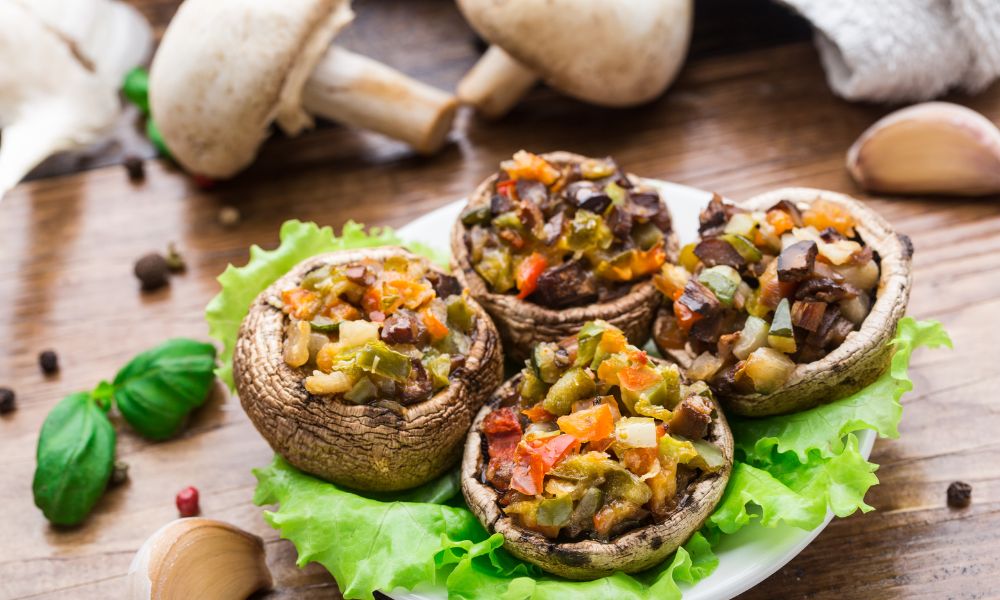
Warming Vegan Dishes
Regarding special diets like a vegan lifestyle, keeping food warm can be challenging but is entirely doable with the right approach. It’s essential to consider the ingredients and the equipment you use for warming vegan dishes.
Separate Equipment for Vegan Food
First, if you’re catering to vegan and non-vegan guests, using separate warming equipment is crucial. This practice ensures no cross-contamination, making it allergy-friendly food warming.
Dairy-Free Keeping Warm
If your vegan dishes are also dairy-free, you’ll often want to avoid any equipment used to warm up dairy products. Again, separate equipment or thoroughly cleaned devices are your best bet here.
Consider the Ingredients
Different vegan foods have different warming needs. For example, a vegan casserole might retain heat well in a chafing dish, while vegan dips may benefit from a slow cooker’s consistent temperature.
People with Allergies
If you have guests with food allergies, it’s even more critical to keep vegan and non-vegan foods separate for lifestyle choices and health reasons. Clearly label your warming dishes to prevent any mix-ups.
Considering these factors, you can ensure that everyone can enjoy delicious, warm food at your gathering regardless of their diet. Whether serving vegan casseroles, dips, or other delicacies, a little planning goes a long way in keeping everything perfectly warm and safe to eat.
Gluten-Free Warming Methods

When catering to guests who follow a gluten-free diet, the way you keep food warm is just as crucial as the food itself. Gluten cross-contamination is a genuine concern, especially when warming multiple types of dishes. Here’s how to navigate gluten-free warming methods effectively.
Separate Equipment for Gluten-Free Foods
Like vegan dishes, using separate warming equipment for gluten-free foods is necessary. This ensures that no cross-contamination occurs, making it a nut-free warming option if needed.
Potato-Based Dishes
Potato-based dishes like gluten-free scalloped potatoes can be kept warm in a chafing or slow cooker. The steady heat ensures that the potatoes stay smooth.
Check for Hidden Gluten
Before placing any food in warming equipment, check all your ingredients for hidden sources of gluten. This includes any sauces or spices that may be used in the dish.
Nut-Free Options
For those with nut allergies and gluten sensitivities, it’s essential to check the equipment used for warming. If a warming dish was previously used for a nut-based dish, you must clean it thoroughly before using it for gluten-free or nut-free options.
Labeling is Key
Labeling your gluten-free options like vegan dishes can save your guests time and worry. This is especially important if you’re also serving dishes that contain gluten or nuts.
Additional Tips for Keeping Food Warm
Preheat Your Warmers
Remember to underestimate the power of preheating. Whether using a chafing dish, slow cooker, or warming tray, giving it a head start in the heat department can make all the difference. This practice is akin to preheating an oven before baking or setting the correct range on a stovetop before cooking. By preheating your warmers, you create an environment that will keep your food at the ideal temperature for an extended period. It’s a small step that can yield significant benefits, ensuring that your culinary efforts don’t go to waste.
Monitor the Temperature
When keeping food warm, you can’t just “set it and forget it.” Monitoring is crucial. Utilize a food thermometer to check the temperature of your dishes periodically. Aim for a minimum of 140°F, as this safe threshold inhibits bacteria growth. This practice aligns with best practices for food safety and hot holding temperatures.
Keep the Lids on
Retaining heat is essential when trying to hold food at a warm temperature. If you’re using a chafing dish or slow cooker, keeping the lid firmly settled on top is a good idea.
This simple yet effective step makes sure your food not only stays warm but also remains fresh and inviting.
Don’t Overcrowd the Warmers
Avoid cramming too much food into your warming trays, chafing dishes, or slow cookers. Overcrowding can make it difficult for heat to circulate effectively, causing the food to cool down quicker than settled. Think of it as a busy workspace; even the best worker can’t perform well in a cluttered environment. Keeping some space in your warmers ensures your food stays hot and safe for consumption.
FAQs
What Is the Best Temperature to Keep Food Warm?
The US Food and Drug Administration (FDA) advises that an interior temperature of 140 degrees Fahrenheit or higher be maintained. Some food warmers or warming trays only have a temperature range of 110°F to 120°F. Consider checking the product label to confirm that it can securely keep meals warm while also preventing the formation of harmful microorganisms. Also, always use a food thermometer to confirm that the meal is within the safe temperature zone.
How Do I Keep the Meat Warm While Resting?
Use a warming dish set on low heat to keep the meat warm while resting. This will prevent it from continuing to cook, which is ideal—allowing the meat to rest for a few minutes after being removed from the fire. This will allow the fluids to circulate throughout the meat, resulting in more tender and juicy results. Allow five minutes before reheating it to ensure that it is well-rested.
How Do I Keep Food Warm When Transporting?
Thermal insulated bags should be used. These are fantastic for use both at home and when traveling! They are lighter and simpler to transport than huge coolers, yet they perform an excellent job of insulating food!
Can I use a microwave to warm up my food?
While you can use a microwave to warm up your food, it’s not the best option for parties. Microwaves can cause the food to become dry or unevenly heated.
Can I use a portable burner to keep my food warm?
Yes, you can use a portable burner to keep your food warm. However, make sure you use it in a well-ventilated area and keep it away from children.
How long can I keep the food warm in a chafing dish?
You can keep the food warm in a chafing dish for up to two hours. After that, you should replace the food or heat it up again.
Can I use a slow cooker to cook and keep the food warm at the same time?
Yes, you can use a slow cooker to cook and keep the food warm at the same time. This is an excellent option for dishes that need to be cooked for a long time.
Can I use a warming tray to warm up my cold food?
No, warming trays are designed to keep hot food warm, not to warm up cold food.
Conclusion
It may be challenging to know what to serve when to serve it, and what to serve it in. One option is to have a buffet, where guests can choose what they want to eat. A buffet is an excellent option for people who are on a budget. Check our Top 20 Easy Food for Party. It has the option of hot or cold food, and guests can choose whatever they want.
We suggest choosing the option that best suits your party and your budget. Whatever you decide, keep in mind that hot food needs to stay hot while everyone is eating. This will keep your guests satisfied and happy.