
Struggling with digestive discomfort after your colonoscopy? This article is for you. Find easy-to-digest foods to help you recover comfortably.
🔍 What is a Colonoscopy?
A colonoscopy helps identify abnormalities in the colon and rectum. It is key for finding health issues and doing tasks like taking out polyps.
Along with checking the colon and rectum for issues, doctors can also take out polyps during this test. Tissue samples, also known as biopsies, can be extracted during the procedure.
👩⚕️ When Do Doctors Recommend a Colonoscopy?
Doctors recommend a colonoscopy for several reasons:
- To examine symptoms in the intestines: If a patient shows symptoms like chronic stomach aches, diarrhea, long-term constipation, and rectal bleeding, a colonoscopy can help find the cause.
- To check for colon cancer: Patients aged 50 and above and those at higher risk for colon and rectal cancers should get regular tests to catch the disease early.
- To check for polyps: If you have had polyps, your doctor may advise a colonoscopy to find more polyps. This can also help stop cancer in the long run.
🍏 Why is Diet Important After a Colonoscopy?
Post-procedure nutrition is key after a colonoscopy. Your body needs gentle and quickly processed foods to heal well. This focus on diet can also help stop side effects.
Right after your colonoscopy, your body needs time to return to normal from the bowel prep. This process cleans your gut, so you should add food back into your diet with care.
A good start is with clear liquids, then add mild and easy-to-digest foods like scrambled eggs and mashed potatoes. Avoid foods that could harm your gut, such as:
- Spicy meals
- Fatty foods
- High-fiber meals
As you heal, choose low-residue foods since they leave less waste in your gut, making it easier to digest. Slowly, you can go back to your usual meals.
You should focus not only on what to eat but also on how much water to drink. Enough fluids can speed up healing and cut down side effects tied to not drinking enough.
After a colonoscopy, eat foods that are gentle on your gut and drink enough water. This approach helps for a quick heal and an easy return to your normal diet.
What to Expect After a Colonoscopy
Post-colonoscopy, you might have questions: Can you eat immediately after a colonoscopy? How long after a colonoscopy can you eat? Let’s learn what happens after you finish this key health test.
🏥 Immediately After the Procedure
Expect to take things easy. You’ll likely stay at the facility for an hour or two under observation. Dizziness and fatigue are common due to sedation, so you’ll need someone to take you home.
🤕 Possible Symptoms
You might feel:
- Minor cramping
- Gas
- Bloating
Walking can help get rid of the gas and lessen the discomfort.
🍲 Your Recovery Diet Post-Colonoscopy
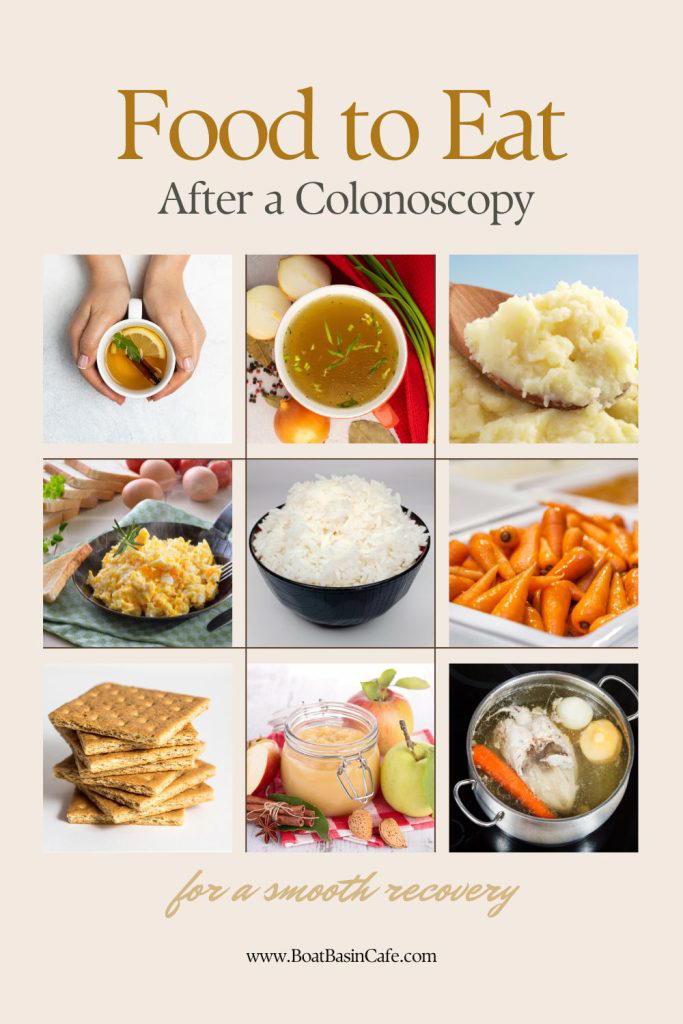
Technically, you can eat right after a colonoscopy. But it’s best to ease back into solid food. Start with:
- Clear fluids like water, broth, and herbal teas
- Then have soft, mild foods like eggs, rice, or cooked veggies
📆 Transitioning Back to Regular Eating
You had to follow a strict diet before your colonoscopy. Be gentle with your body as you return to your normal diet. Avoid:
- Spicy foods
- Fatty foods
- Fibrous foods
If you feel odd, talk to your healthcare provider right away.
Question
If someone asks, ‘How long after a colonoscopy can you eat?‘ you can say it’s more about the food type than the timing.
🌟 Benefits of a Colonoscopy
Colonoscopies are vital for long-term health. They let doctors find early signs of issues like colon cancer and inflammatory bowel disease. What are the benefits?
Role in Health Screenings
Routine tests help doctors find diseases early. This speeds up treatment and aids recovery.
Life-Saving Potential
A simple colonoscopy can save your life. If doctors find polyps, they can remove them immediately to stop them from becoming cancer.
Healthy Habits
Colonoscopy prep helps you learn about good dietary choices and keeping your colon healthy.
Diet Recommendations
These steps ensure a smooth process and recovery and guide you on food choices that are easy on your stomach.
Post-Procedure Diet
After the procedure, you might eat mashed potatoes, grilled chicken, or steak, peaches, white or brown rice, and pudding.
Diagnosis and Treatment
A colonoscopy is key for accurate diagnosis and lessens your discomfort.
Staying Informed
Stay up to date on health tips and research. The benefits of a colonoscopy go beyond just health. They help you live a healthier lifestyle in the long run.
⚠️Risks of a Colonoscopy
Colonoscopies are usually safe but have some risks you should know.
Common Side Effects
- Minor cramps and discomfort often go away fast.
- The prep process may change your stool and affect how your gut absorbs nutrients.
Rare Side Effects
- Some people react to the sedatives used during the test.
- The colon cleanse may affect how your body absorbs vitamins and minerals for a short time.
Possible Complications
Bowel perforation is a rare but possible risk. That’s why you should tell your doctor about any health issues before the test.
Diet and Recovery
- You may need to skip dairy, red meat, and high-fiber foods before the test.
- After the test, reintroduce foods like pudding, steak, and probiotics slowly.
- You may want to eat your usual foods right away, but take it slow.
Be Informed
Know the risks to fully understand the test. Keep in mind the big benefits like finding inflammatory bowel disease.
Recommended Foods Post-Colonoscopy
After your colonoscopy, it’s crucial to reintroduce foods slowly and focus on those that won’t irritate your digestive system.

🥤 Fluids and Hydration
- Fluids with Electrolytes: Rehydrate with water, fruit juices, vegetable smoothies, and teas. Consider oral rehydration solutions, glucose drinks, and Pedialyte to replace lost electrolytes.
🍪 Soft and Mild Foods
- Crackers: Begin with plain saltine or graham crackers. Complement with a light broth for a gentle meal.
- Soup: Clear soups free from heavy spices are recommended. They hydrate and replenish essential salts.
🍬 Sweet Treats and Energy Boosters
- Popsicles: Serve the purpose of hydration and offer a quick sugar boost.
- Apple Sauce or Butter: Supply fiber and energy.
🍳 Protein Sources
- Eggs: Soft-boiled or scrambled eggs serve as excellent sources of protein.
- White Fish: Choose poached or baked types. Steer clear of fatty fish.
🥦 Vegetables and Carbs
- Vegetables: Prioritize steamed or boiled soft vegetables.
- Toast: Provides carbohydrates. Limit consumption to 2-3 slices.
🏥 Mayo Clinic’s Recommendations on Post-Colonoscopy Diet
The Mayo Clinic, a paragon of medical wisdom, offers nuanced advice for post-colonoscopy nourishment.
- 🥤 Begin with Clear Liquids: After the procedure, prioritize transparent fluids like broths, water, and lucid juices. These aid digestion and bolster hydration.
- 🍲 Shift to Gentle Foods: Once comfortable with liquids, introduce milder foods such as fruit purées, yogurts, and soft eggs.
- 🍞 Incorporate Solids Thoughtfully: Start with digestible items like toast and baked poultry, expanding your diet cautiously.
- 🚫 Limit Initial Fiber Intake: Hold off on fibrous foods like whole grains and raw vegetables initially. Gradually reintroduce as digestion normalizes.
- 🌶 Avoid Spicy & Greasy Choices: Sidestep zesty and fatty foods early to prevent discomfort.
- 💨 Monitor for Gas: Limit carbonated drinks and gassy foods during the first days.
- 💧 Stay Hydrated: Drink ample water and avoid alcohol initially.
- 👂 Tune into Your Body: Pay attention to your body’s signals. Avoid foods that cause discomfort.
For detailed guidance, refer to the Mayo Clinic’s official website. They offer a plethora of medical insights, including post-procedure care.
🚫 What Not to Eat After a Colonoscopy
Just as there are some things you should focus on consuming after a colonoscopy, there are other things you need to stay away from. Here’s what you should steer clear of:
- 🍷 Alcoholic Drinks: Drinking alcohol after colonoscopy procedures is a big no-no. After your colonoscopy, stay away from alcoholic beverages.
Why no alcohol after colonoscopy? This can irritate the lining of the stomach and intestines and interfere with any medication you are prescribed after your procedure. - 🍔 Fatty Foods: Staying away from rich food is another essential thing to bear in mind. Things like deep-fried food and buttery desserts take time to digest. They can cause an upset stomach and nausea, dehydration, and loss of vital fluids and electrolytes.
- 🌶 Spices: Spicy food can complicate stomach issues after a colonoscopy, like butter and oil. They irritate the stomach lining and cause diarrhea, gas, and heartburn. You will notice a lot of nausea and bloating if you consume heavy spices after such procedures.
- 🥜 Nuts, Grains, and Seeds: Popcorn, seeds, and chunky nut butter are also difficult to digest. You should stay away from whole bread and baked goods as well.
These can cause indigestion, stomach aches, nausea, vomiting, and other painful symptoms that can complicate your recovery after your colonoscopy. - 🥤 Carbonated Beverages: Carbonated drinks like Coke or Sprite can cause pain and discomfort after colonoscopy. During a colonoscopy, gas is blown into the colon to make it easier for the doctors to see the inside. As a result, you might feel gassy after the procedure, and carbonated drinks make it worse.
💡 How to Manage Side Effects After a Colonoscopy

After a colonoscopy, it’s vital to know how to manage side effects and follow a good recovery diet. Here’s how you can handle this important post-op phase.
- 🥤 Initial Diet: You’ll start with a clear, liquid diet right after your colonoscopy to help gentle digestion. Yes, you can eat after a colonoscopy, but the foods you pick matter. Foods like broth and coconut water are great for hydration and recovery. Popsicles can give you a quick sugar boost.
- 🍲 Transition to Solid Foods: After this, consider foods that help you move to more solid items. This list mainly has foods like steamed veggies, eggs, and soup. But you should avoid sushi and salmon after a colonoscopy until your digestion is stable.
- 🍚 Tips for Easy Digestion: Here’s a tip: choose foods that are easy to digest for your post-colonoscopy diet. Plain cooked rice and healthy smoothies are good options the day after your colonoscopy.
- 🍔 Reintroduce Foods Gradually: Many wonder, “Can I eat a burger after a colonoscopy?” or “Can I have popcorn after a colonoscopy?” It’s key to note that you should add these foods to your diet slowly to avoid stomach issues.
- 🚫 Foods to Avoid: There’s also a list of foods to avoid after a colonoscopy. Check the list above. This includes spicy and fatty foods, alcoholic drinks, and high-fiber foods for some days, until your bowel movements are normal.
- 🔎 For Those With Polyps: If you had polyps removed during the colonoscopy, it’s key to know the post-op diet. Being careful about what you eat helps speed up recovery and reduces discomfort.
Using this meal plan, you can recover smoothly after your colonoscopy and boost your gut health. Always follow the food and guide tips your healthcare provider gives you. Each person’s health needs can differ.
Taking these steps and eating the right foods after a colonoscopy is crucial. It’s all about putting your health first and aiming for the best recovery.
🍔 Can You Eat a Burger After a Colonoscopy?
If you want a burger after your colonoscopy, keep in mind that your diet should mainly have soft and mild foods. Here are some things to think about:
- ⏰ Wait Time: Wait at least 24 hours before you have a burger.
- 🍔 Burger Type: Choose a plain burger, not one with spicy or fatty toppings.
- 👂 Listen to Your Body: Pay attention to how your body feels after you eat the burger.
🌮 What About Mexican Food?
Mexican dishes are popular, but after a colonoscopy, you should know which ones to eat and which to avoid. Here’s what you should keep in mind:
- ✅ Safe Choices: Stick to plain rice, soft tortillas, and mild fillings.
- ❌ Foods to Avoid: First, avoid spicy salsas, fried items, and beans.
Probiotics and Gut Health Post-Colonoscopy
Keeping a healthy gut and a good care plan after a colonoscopy is key for fast healing and long-term health.
- Role of Probiotics: Probiotics help keep a healthy balance in the gut.
- Importance Post-Colonoscopy: After a colonoscopy, the goal is to heal the gut. A diet rich in probiotics aids in this.
Pre-Colonoscopy Diet
Before the colonoscopy, eat a fiber-rich diet. This diet cleans the gut and prepares it for the test.
- Fiber Focus: The diet is mostly rich in fiber.
- Day Before: Usually, a day before the colonoscopy, eat no fiber foods, as per your doctor’s advice.
Post-Colonoscopy Diet
After the colonoscopy, the goal is to heal the gut.
- Healing Focus: The aim is to heal the gut.
- Probiotic Rich Diet: A diet rich in probiotics helps restore gut health.
- Balanced Diet: Eating a balanced diet along with probiotics is key for good gut health.
Important Note
Yet, keep in mind that taking probiotics helps healing. Eating a balanced diet after a colonoscopy is just as vital.
- Consult Healthcare Provider: Talk to your doctor about diet changes, including taking probiotics, to get a plan that fits you.
The Role of Fiber in Recovery
Our talk on post-colonoscopy diet has covered probiotics and nutrition. Now, let’s focus on the key role of fiber in recovery.
- Why Fiber Is Important: Fiber helps make bowel movements regular and boosts gut health. This leads to better health over time.
- When to Reintroduce Fiber: If you’re looking for post-colonoscopy food ideas, start adding high-fiber foods once your healthcare provider says it’s okay.
- How to Reintroduce Fiber: After a colonoscopy, your gut is sensitive. So, add fiber back into your diet bit by bit.
- Balanced Diet: The key point is that fiber is good for your gut, but you need to add it back carefully. The right mix of dietary fiber helps you get back to a normal diet and speeds up your healing after a colonoscopy.
How Athletes Can Recover Quickly

When athletes face medical procedures like a colonoscopy, their top question is often about their post-procedure recovery journey. What should they eat after a colonoscopy, how soon will they get back to their regular diet, and when can they resume their exercise regime?
- General Recovery: Athletes recover much like anyone else, but they focus more on diet.
- Starting Guidelines: Following a strict post-colonoscopy diet like the one suggested by the Mayo Clinic can serve as a starting point.
- Initial Foods: To start, athletes should have clear liquids like broths and hydrating popsicles. The goal is to refresh the body after the procedure.
- Soft Foods: People often ask what foods are good or bad to eat after a colonoscopy. Athletes can start with soft foods like toasted bread, but they should avoid heavy meals and spicy foods.
- Normal Diet: Athletes should return to their usual diet with caution. Foods like popcorn and soda are best avoided until digestion is stable.
- Balanced Meal: Athletes need meals rich in nutrients like lean proteins and certain veggies after a colonoscopy.
- Day by Day: Over time, your colonoscopy prep food will change to a normal and balanced diet.
- Expert Consultation: Keep in mind that each person’s body reacts in its own way. Always check with your healthcare provider or a dietician for personalized advice. When you feel strong, add light exercise back into your routine before resuming full training.
Expert Consultation
A sports medicine expert, Dr. David Brown, adds, “Everyone’s body reacts differently to medical procedures and diets. Always consult your healthcare provider or a dietitian for personalized advice. When you feel strong enough, you can start with light exercises before returning to your regular training regimen.
🗓️ When to Follow Up After a Colonoscopy
After a colonoscopy, it’s crucial to know when to set follow-up appointments. You should also understand your rights for after-care.
- 📋 Preliminary Findings: Typically, your healthcare professional will discuss initial results with you once the sedative effects wear off.
- 🔬 Additional Tests: If you had biopsies or polyp removal, expect results to take a few more days.
- 📜 Patient Rights: You have a right to clear info about your test results, next steps, and any long-term health issues.
- 🗓️ Timing of Next Colonoscopy: Your next colonoscopy date will depend on your current exam results. If polyps were found, expect a sooner follow-up.
- 👁️ Self-Monitoring: Keep an eye on your health during recovery. Look for symptoms like severe pain or fever, and contact your doctor if they occur.
- 🍏 Lifestyle and Diet: As you heal, stick to a healthy diet. Don’t forget what you learned from your diets before and after the colonoscopy.
- 💪 Engagement: Stay active in your healthcare process from start to finish. This will help you get the best health outcome.
Preparatory Tips for Your Colonoscopy
Follow these tips for a safe, quick, and non-eventful colonoscopy with no complications and a quicker recovery period afterward.
- Follow the doctor’s orders on what you eat. You will need to avoid solids for 24 hours before your colonoscopy. Stick to soft and bland foods.
- Similarly, you can only drink clear fluids like apple juice or herbal teas. You should also avoid red foods, which can confuse the doctors during the procedure.
- Take a laxative beforehand. Your doctor may ask you to take a laxative the night before your procedure or even during the morning of the colonoscopy. Either way, ask your doctor what you need to do.
- Use an enema kit. Your doctor will tell you how to do this the night before your colonoscopy.
- Avoid strenuous exercise. Follow a gentle exercise regimen the day before your procedure. You must also avoid strenuous exercise after colonoscopy procedures for at least 48 hours.
- Adjust your medications. A week before your colonoscopy is due, talk to your doctor and let them know which medications you are taking. You may need to adjust the dosage for the procedure.
❓FAQs
Below, you’ll find answers to questions we get asked the most about diets after colonoscopies.
Can I Eat Normally after a Colonoscopy?
After a colonoscopy, avoid spicy, greasy foods and stick to a mild and light diet.
Can I Eat Pizza after a Colonoscopy?
Eating a pizza right after your colonoscopy is generally discouraged as it contains heavy seasoning, acidic sauces, and lots of fat.
How Long Does It Generally Take to Recover from a Colonoscopy?
After a colonoscopy, it usually takes up to 24 hours to return to work or their daily life.
Will My Bowel Movements Change After Colonoscopy?
You may not have a bowel movement for a few days after your procedure. Your first bowel movement may also include some blood, which is nothing to fear.
What Can I Not Do After a Colonoscopy?
After your colonoscopy, you must avoid eating spicy foods, alcohol, and similar things. You should also hold off on heavy exercise for at least 48 hours.
How Soon Can I Eat After a Colonoscopy?
For the first few hours, you should stay away from food. You can start eating a little once a couple of hours have passed.
Why Do I Feel Sick After a Colonoscopy?
It is normal to feel a little bloated and gassy after your procedure. You may also notice nausea and mild cramping. This is normal, as your body works off the effects of sedation and the colonoscopy.
How Long Will I Be Asleep for a Colonoscopy?
Most people are out for around an hour after being sedated for a colonoscopy.
How Fast Do Colon Polyps Grow Back?
Larger polyps tend to return in under 3 years. However, smaller ones take much longer to regrow.
How Long Will I Have Diarrhea After a Colonoscopy?
This should clear up in about 3 days after your procedure.
Can I Go Back to Work the Day after a Colonoscopy?
It is recommended to rest for a day or two after your colonoscopy.
How Long Does It Take to Poop after a Colonoscopy in Most Cases?
It can take a day or two to have a bowel movement after your procedure.
Is Diarrhea after Colonoscopy Normal?
Loose bowel movements are typical for a few days after your colonoscopy. Anything persisting longer should be reported to your doctor.
Conclusion
Like most medical procedures, a colonoscopy can cause discomfort in the days following the test. Knowing what to eat after a colonoscopy helps you prepare. You can buy foods you like that are good for recovery. The right diet can also help avoid complications and ease any issues after the procedure.
Don’t worry about colonoscopies; you’ll get the results soon after the test.